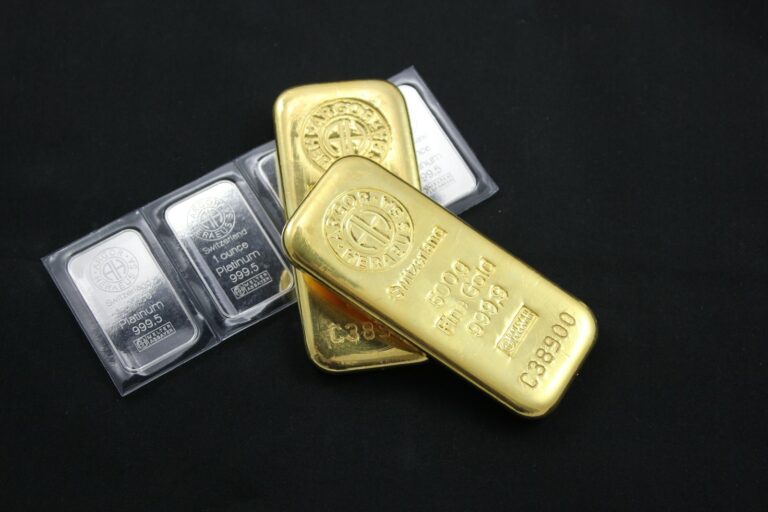
Buying Gold for Preppers: A UK Guide
Why gold, and what it won’t do
For a UK prepper, consider small, recognisable gold: Royal Mint Sovereigns first, Britannias second. As at November 2026, they’re VAT-free, free of Capital Gains Tax, and easy to sell.
Gold is a store of wealth that sits outside the banking system. It has held value through currency crises, bank failures and high inflation for centuries. If a bank freezes accounts or sterling loses value fast, gold still buys you something.
Be honest about its limits:
- It’s not money for day-to-day life. No shop will take a Sovereign for bread. In a short-term emergency, cash, food and water matter far more.
- It earns nothing. No interest, no dividends. It can fall in price for years at a stretch.
- It’s a target. Gold at home is a theft risk, and it’s rarely covered by standard home insurance without telling your insurer.
Think of gold as the long-term insurance layer of your preps, not the foundation. As a rough benchmark, gold was around £2,900 per troy ounce in early November 2026 (https://www.bullionbypost.co.uk/gold-price/threemonth/ounces/GBP/). Check the live price before you buy.
Before you buy: get the basics in place
Buy gold only once the cheaper, more useful layers are done. In rough order:
- Water storage and a way to purify more.
- Food for at least a few weeks, then a few months.
- First aid, medicines, heat, light and power backups.
- Cash at home in small notes (£5, £10, £20) for when cards and ATMs are down.
- An emergency fund in the bank, ideally 3–6 months of costs.
- No high-interest debt. Paying off a 25% credit card beats any likely return from gold.
- Then precious metals.
How much? Many people who hold gold keep it to a modest slice of their savings, often quoted as 5–10%. Treat that as a starting point, not a rule. Only buy what you won’t need to sell in a hurry, because you lose money on the buy–sell spread if you sell soon after buying.
What to buy
For preppers, small and recognisable beats big and cheap. A full Sovereign is the sweet spot: widely known, easy to sell, and small enough to trade without breaking a large bar.
What to avoid:
- Jewellery. You pay for design and retail markup, and get scrap value back.
- Proof and commemorative coins. Collector premiums can run far above the gold value, and you won’t get them back from a bullion dealer.
- Silver for the same job. Silver bullion carries 20% VAT, though Royal Mint silver coins are CGT-free. It suits small-value barter, not wealth storage.
- Gold ETFs and “digital gold”. Fine as an investment, but you can’t hold it in a crisis, which defeats the prepper point.
Watch the premium: the price above the gold value. On common Sovereigns and 1 oz Britannias it’s usually a few percent; on tiny bars and new-year or proof coins it can be far more. Older-year “best value” Sovereigns are often the cheapest way in.
UK tax: VAT and Capital Gains Tax
Buy Royal Mint Sovereigns and Britannias and, for most people, gold is tax-free both ways.
- VAT: Investment gold is VAT-exempt in the UK. That covers bars and coins that meet HMRC’s purity and legal-tender tests. Silver, by contrast, carries 20% VAT.
- CGT: HMRC treats Sovereigns minted from 1837 onwards and gold Britannias as sterling currency, so gains on them are free of Capital Gains Tax. There’s no limit and nothing to report.
- Bars and foreign coins (Krugerrands, Maple Leafs) are chargeable. Gains above the £3,000 annual exempt amount are taxed at 18% or 24%.
- Grey areas: The Royal Mint markets Queen’s Beasts and Tudor Beasts coins as CGT-free, but HMRC doesn’t name them in its manual. Stick to Sovereigns and Britannias if you want certainty.
- Inheritance Tax still applies. Gold you hold counts as part of your estate.
Tax rules change. Check current HMRC guidance or ask an adviser before a large purchase.
Where to buy, and how not to get scammed
Buy from an established UK bullion dealer or the Royal Mint direct, and take physical delivery.
Good sources:
- The Royal Mint — the issuer. Rarely the cheapest, but no doubt about authenticity.
- Established online bullion dealers — compare a few on the total delivered price, not the headline.
- Bricks-and-mortar dealers (Hatton Garden in London, plus regional shops) — pay and collect in person, no delivery risk.
Checks before you pay:
- Look for a long trading history, a UK address and phone number, and independent reviews.
- Membership of trade bodies such as the LBMA or the British Numismatic Trade Association is a plus.
- Compare the price with the live spot price. A deal far below spot is a scam, full stop.
- Check the buy-back price too. A narrow gap between what they sell at and buy back at means a fairer dealer.
- Note that dealers must run ID checks on larger cash or high-value purchases under anti-money-laundering rules. A dealer who offers to skip this is a red flag.
Avoid:
- eBay, Facebook Marketplace and private sellers, unless you can test the gold. Fakes of Sovereigns and small bars are common.
- Cold calls, “gold investment schemes” and anyone pushing you to buy fast.
- Dealers who only offer to store gold for you when you want it in hand.
Basic home tests: check weight on a 0.01 g scale, measure diameter and thickness with calipers, and use a strong magnet (gold isn’t magnetic). These catch crude fakes, not all fakes.
Ready to buy?
If you have your emergency fund in place and have decided gold suits your plans, you can browse investment-grade gold coins and bars from an established supplier. The 1 oz Gold Britannia is a popular, CGT-free starting point.
Affiliate disclosure: Some links in this article are affiliate links. If you make a purchase through one of these links, Prepper Weekly may receive a commission at no additional cost to you. This does not affect our commitment to providing balanced, practical information. This article is general information, not financial or tax advice.
Storage and security
The golden rule: tell almost no one. Most gold theft starts with someone who knew it was there.
- Keep it in original capsules or tubes. Scratched or handled coins sell for less.
- Use a bolted-down, insurance-rated safe, or split your holding across two or three hidden spots so one find doesn’t take everything.
- Tell your home insurer. Most policies cap valuables or exclude bullion unless declared. Check the limits in writing.
- Consider a split: some at home for access in a crisis, the rest in a private vault or safe deposit box. Bank deposit boxes are rarer now, and banks can restrict access, so private vault firms are the usual option.
- Keep records offline: receipts, product, date and price paid. You’ll need them to prove ownership, for insurance, and for CGT on chargeable items.
- Make sure someone you trust knows how to find it if something happens to you, ideally noted with your will.
- Be discreet with deliveries. Reputable dealers ship in plain, insured packaging. Don’t post unboxing photos online.
Selling or using your gold
In normal times, selling back to a bullion dealer is quick and fair. In a real crisis, plan on gold being a way to rebuild wealth afterwards, not to buy groceries during.
- Selling normally: compare buy-back prices from two or three dealers. Expect a few percent below spot on Sovereigns and Britannias. High-street “we buy gold” shops usually pay much less.
- Selling small: this is where Sovereigns win. You can sell one or two at a time instead of a whole 1 oz coin or bar.
- Crisis barter: possible, but expect people to want food, fuel, medicine or skills first. Recognisable coins trade far more easily than bars, which is another reason to favour Sovereigns.
- Abroad: Sovereigns and Krugerrands are known worldwide, which helps if you ever need to relocate.
Quick checklist
This guide is general information, not financial or tax advice. Gold prices go down as well as up. Check your own situation with a qualified adviser.
Frequently asked questions
Is gold useful during a power cut?
Not usually for everyday purchases. Small-denomination cash, food, water and backup power are more immediately useful.
Are gold Sovereigns exempt from UK Capital Gains Tax?
Qualifying UK legal-tender Sovereigns are generally exempt. Check current HMRC guidance and your circumstances.
Should I buy gold before building an emergency fund?
No. Prioritise essential supplies, accessible cash and an emergency savings buffer before considering precious metals.
Further reading and useful resources
- HMRC Capital Gains Manual – legal tender coins: https://www.gov.uk/hmrc-internal-manuals/capital-gains-manual/cg78305
- GOV.UK – Capital Gains Tax: https://www.gov.uk/capital-gains-tax
- The Royal Mint: https://www.royalmint.com/
Related Prepper Weekly reading: https://prepperweekly.co.uk/gold-sovereign-vs-britannia/, https://prepperweekly.co.uk/how-to-store-gold-at-home-safely/, https://prepperweekly.co.uk/gold-vs-silver-for-preppers/, https://prepperweekly.co.uk/how-to-spot-fake-gold-coins/