How to keep warm without heating or electricity during a power cut
The most effective ways to keep warm during a power cut are to retain body heat, wear several layers of clothing, use thermal blankets or sleeping bags, reduce draughts and concentrate on keeping one room warm rather than the entire house.
Even if you have gas central heating, a power cut will usually leave you without heating, as most modern boilers rely on electricity to operate their controls and pumps.
While a short interruption to your electricity supply may be little more than an inconvenience, a prolonged power cut during the British winter can present more serious challenges, particularly for older people, young children and those with underlying health conditions.
With the UK Government’s Prepare campaign encouraging households to plan ahead for emergencies, investing in a few practical winter essentials could make a considerable difference to your comfort and wellbeing.
From thermal clothing and hot water bottles to emergency sleeping bags, heated throws powered by suitable backup electricity supplies and alternative heating options, this guide explores practical ways to stay warm during a power cut, what equipment is worth considering and how to avoid potentially dangerous heating methods.
Best products for staying warm in a power cut
| Product | Needs electricity? | Best use |
|---|---|---|
| Thermal base layers | No | Everyday warmth |
| Sleeping bag or fleece blanket | No | Sitting or resting |
| Hot water bottle | No, but needs hot water | Local warmth |
| Heated throw | Yes | With compatible backup power |
| Battery CO alarm | No mains supply | Fuel-burning appliance safety |
Thermal clothing and blankets
Thermal base layers, thick socks and fleece clothing trap warmth close to the body. Wear several comfortable dry layers rather than a single bulky garment. A winter-rated sleeping bag can be useful for extended outages; check the comfort rating, not just the extreme temperature rating.
Hot water bottles and flasks
A hot water bottle with a cover can provide local warmth if you have access to safely heated water. Follow the manufacturer’s directions; do not use boiling water, check for deterioration and avoid prolonged direct skin contact. Never use one in the same bed as an electric blanket. A vacuum flask filled before an expected outage can keep drinks warm without further heating.
Heated throws: useful with backup power
A thermostatically controlled heated throw needs electricity. A compatible power station may run it for a limited time. For example a 100W throw running continuously on a 500Wh station with 80% usable energy would last about four hours; thermostat cycling and inverter losses affect the result. Follow both manufacturers’ instructions. Never use a damaged throw, fold it while operating or use it for sleep unless specifically designed for that purpose.
Keep the heat you already have
Choose a room that retains warmth, close internal doors and draw curtains at dusk. Use draught excluders where appropriate without blocking ventilation required by fuel-burning appliances. Keep clothing and bedding dry. Eat regular meals and drink fluids. Check room temperature using a battery-powered thermometer, particularly if anyone is vulnerable to cold. If you cannot maintain a safe temperature, arrange to stay somewhere warm rather than relying on layers indefinitely.
What is the best heater for a power cut?
There is no universally safe portable fuel heater for every home. An existing properly installed, maintained wood burner or fireplace with a working flue may be useful where appropriate. Follow the manufacturer’s instructions, use suitable fuel and keep ventilation and alarms working. A portable gas heater should only be considered if specifically approved for indoor use, suitable for the building and operated exactly as instructed, with adequate ventilation. Check lease restrictions; do not use portable bottled gas heaters in high-rise flats. Never leave portable heaters unattended or running while asleep.
Never use a camping stove, barbecue, patio heater or outdoor generator indoors, in a garage or in any enclosed space. Never heat a room with a gas hob or oven. Carbon monoxide is invisible and odourless and can kill.
Choose a carbon monoxide alarm
A battery-operated audible carbon monoxide alarm compliant with BS EN 50291-1, such as a suitable FireAngel domestic model, is a worthwhile purchase. Verify the exact model’s certification and follow fitting, testing and replacement instructions. An alarm is not permission to use unsafe appliances indoors.
If you suspect carbon monoxide exposure, stop the appliance if safe, leave the building and seek urgent medical advice; call 999 for serious symptoms. Do not re-enter until advised it is safe. See NHS carbon monoxide guidance.
When cold becomes an emergency
Check on neighbours and relatives who may struggle to keep warm. Suspected hypothermia is a medical emergency: call 999. Arrange alternative accommodation or local support early if the home is becoming dangerously cold. Eligible households can register for the Priority Services Register, but this does not guarantee uninterrupted electricity.
Frequently asked questions
Can a candle heat a room?
No practical amount of warmth is produced safely. Candle heaters add fire and burn risks. Use battery lighting and proper insulation instead.
Can I use a heated throw without mains power?
Only if you have a suitable backup electricity supply and both products are compatible. It cannot operate without electricity.
Where can I find more advice?
Read our keeping warm indoors guide and winter power cut preparations. Official UK winter fire safety guidance and UK chief medical officers’ outage advice provide further safety information.
Affiliate disclosure: This guide contains affiliate links. Prepper Weekly may earn a commission on qualifying purchases at no extra cost to you. Recommendations are based on product specifications, practicality and suitability rather than hands-on testing. Prices and availability are subject to change. Always check manufacturers’ specifications, intended uses and safety instructions before purchasing or using any equipment.
Recommended products

Fireproof Document Bag
Keep passports, insurance papers, cash and USB backups together and protected from fire and water – grab it and go.
View on Amazon
British Standard First Aid Kit
A well-stocked, BS-compliant kit for home, car or workplace. Everything you need to deal with cuts, burns and sprains.
View on Amazon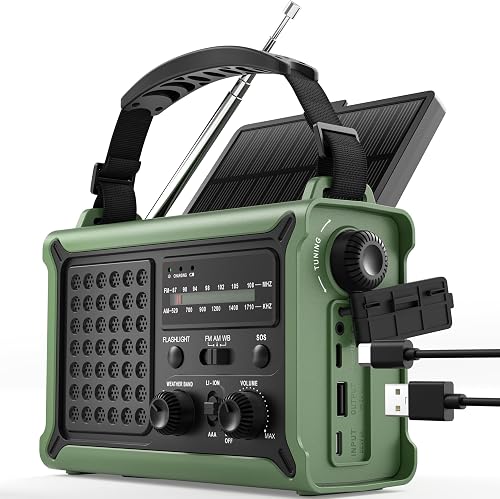
ROCAM Wind-Up Solar Emergency Radio
Hand-crank and solar powered radio with torch and phone charging, so you can hear official updates when the power and internet are down.
View on AmazonWe may earn a small commission if you buy through these links, at no extra cost to you. Learn more