Best car jump starters and winter car emergency kit UK
A portable car jump starter, thermal blankets, a reliable torch and a charged power bank are among the most useful items to keep in your car during the winter months. Together, they could help you deal with a flat battery, an unexpected breakdown or a lengthy delay in freezing temperatures.
There’s never a convenient time for your car battery to fail, but finding yourself stranded on a cold, dark winter’s evening is particularly unwelcome. And it isn’t just breakdowns you need to prepare for. Heavy snowfall, flooding, road closures and accidents can leave motorists stranded for several hours.
The UK Government’s Prepare campaign encourages people to take practical steps to prepare for emergencies, and extending that preparedness to your vehicle makes good sense.
A portable jump starter could get you back on the road without relying on another motorist, provided it is compatible with your vehicle’s engine size, fuel type and battery system. However, it is no substitute for regular vehicle maintenance, replacing a failing battery or having appropriate breakdown cover.
In this guide, we explore what we consider are some of the best portable car jump starters available in the UK, explain what to look for when choosing one and highlight the essential winter car emergency equipment that could help keep you warm, visible and connected while waiting for assistance.
Which jump starter should you choose?
| Vehicle or use | Candidate to investigate | Check before buying |
|---|---|---|
| Small petrol car | NOCO Boost GB20 (petrol only, up to 4.0L) | Engine rating and 12V compatibility |
| Larger petrol or diesel | NOCO Boost GB40 (up to 6.0L petrol, 3.0L diesel); GB50 or GB70 for larger diesels | Specific petrol/diesel limits |
| Frequent journeys | Ring rechargeable jump starter range | Storage temperature and recharge method |
| Hybrid or EV | Manufacturer-approved solution only | Vehicle handbook and designated terminals |
NOCO Boost jump starters
A NOCO Boost GB40 is a candidate to compare for conventional 12V vehicles. NOCO rates it for petrol engines up to 6.0 litres and diesel engines up to 3.0 litres. For larger diesels, the NOCO Boost GB50 (up to 7.0L petrol, 4.5L diesel) or NOCO Boost GB70 (up to 8.0L petrol, 6.0L diesel) is a better match. The compact GB20 is rated for petrol engines up to 4.0 litres only and is not recommended for diesels. Do not choose solely by peak amp figures, as rating methods differ.
Ring portable jump starters
A Ring automotive jump starter is another option to compare. Check compatibility, cable reach and safety protections. A combined unit with USB charging may be convenient, but using it to charge other devices reduces the energy available for starting.
What about diesel cars?
Diesel engines often require more starting current, especially in cold weather. Many compact jump starters are rated for only around 2–3 litres of diesel, so check the diesel rating rather than the petrol figure. Choose a jump starter specifically rated for your diesel engine size and check the stated operating temperature range. A device that works in mild weather may perform differently in freezing conditions.
Using a jump starter safely
Read both vehicle and jump starter instructions before attempting a start. Use only the designated connection points, follow the specified sequence and observe limits on cranking attempts. Do not jump start a visibly damaged, leaking or frozen battery. Never assume a conventional starter is suitable for an electric or hybrid vehicle. It must never be connected to a high-voltage traction battery. If unsure, call breakdown assistance. A failed start or recurring flat battery should be investigated by a qualified technician.
What should be in a winter car kit?
Warmth and shelter
Keep a fleece blanket, warm gloves, hat and spare dry clothing in the boot. A foil emergency blanket is a useful compact addition but does not replace warm clothing. Pack for the number of passengers, not just the driver.
Lighting and visibility
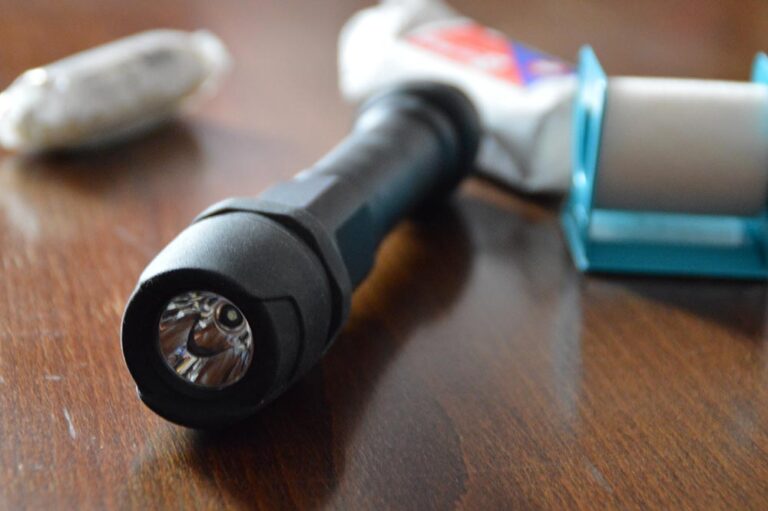
A LED head torch, spare compatible batteries and high-visibility vest help if you need to move to a safe place in the dark. A warning triangle may be appropriate on some roads but must never be used on a motorway. Follow the Highway Code.
Ice, snow and tyres
Keep an ice scraper and de-icer, a small snow shovel and suitable screenwash. A digital tyre pressure gauge and compatible inflator can help with routine checks; do not attempt repairs at the roadside when unsafe. Clear windows and lights before driving.
Food, drink and communications
Pack drinking water, snacks, a portable power bank and charging cable. Keep a paper copy of breakdown contact details. Check food and water periodically and replace damaged or expired supplies. A vehicle first aid kit is useful, especially alongside basic first aid training.
Ready-made winter kits
An EVAQ8 winter car survival kit is an alternative to assembling supplies separately. Check its current contents and add missing items for your family and vehicle. Our winter car emergency kit UK guide has a fuller checklist.
What if you break down in winter?
Follow the Highway Code and breakdown operator instructions. On a motorway, leave at the next exit or reach a place of relative safety if possible. If safe to do so, leave the vehicle on the side away from traffic and wait behind a barrier. If you cannot safely leave or reach a safe place, stay belted, switch on hazard lights and call 999. Do not attempt a jump start in a live traffic lane. Avoid running an engine in enclosed spaces or where exhaust could be blocked by snow.
Frequently asked questions
Is a jump starter better than jump leads?
A portable starter does not need a donor car, but it must be charged and compatible. Jump leads require another suitable vehicle and correct procedures. Always consult the handbooks.
Can I leave a lithium jump starter in the car all winter?
Only within the manufacturer’s storage limits. Extreme cold and heat can affect safety and performance. Check charge regularly and bring the unit indoors if conditions exceed those limits.
How often should I charge it?
Follow the maker’s maintenance schedule and recharge after use. Check before long winter journeys.
What should I do before travelling in severe weather?
Check forecasts and road conditions, allow extra time and postpone non-essential journeys when appropriate. Read the Highway Code breakdown guidance.
Affiliate disclosure: This guide contains affiliate links. Prepper Weekly may earn a commission on qualifying purchases at no extra cost to you. Recommendations are based on published product specifications, practicality and suitability rather than hands-on testing. Prices and availability are subject to change. Always check the manufacturer’s latest specifications, vehicle compatibility, intended uses and safety instructions before purchasing or using any equipment.
Recommended products

Fireproof Document Bag
Keep passports, insurance papers, cash and USB backups together and protected from fire and water – grab it and go.
View on Amazon
British Standard First Aid Kit
A well-stocked, BS-compliant kit for home, car or workplace. Everything you need to deal with cuts, burns and sprains.
View on Amazon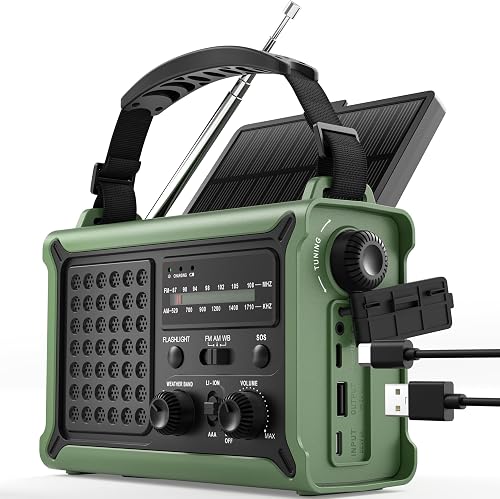
ROCAM Wind-Up Solar Emergency Radio
Hand-crank and solar powered radio with torch and phone charging, so you can hear official updates when the power and internet are down.
View on AmazonWe may earn a small commission if you buy through these links, at no extra cost to you. Learn more