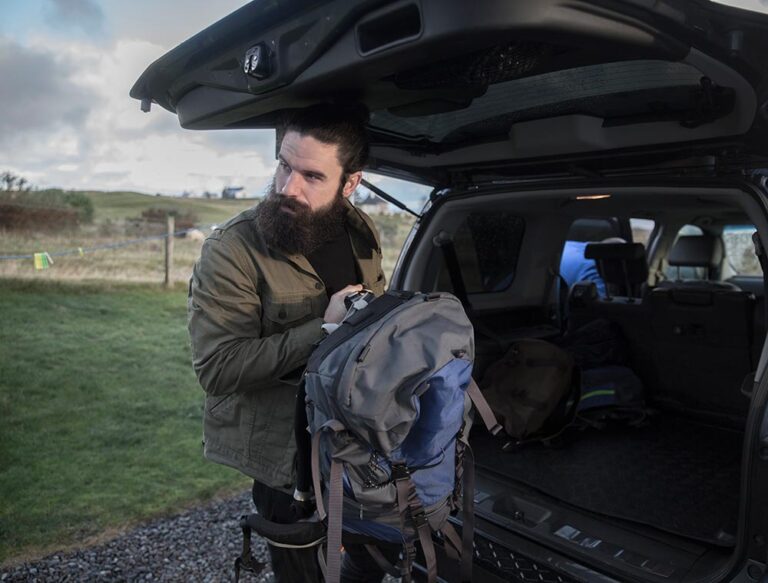
What should you keep in your car during a British winter?
This guide contains affiliate links. If you buy through them, Prepper Weekly may earn a small commission at no extra cost to you. Prices and availability change, so check the latest details before you buy.
A winter car emergency kit can make an unexpected breakdown, road closure or lengthy delay considerably easier to manage. You don’t need to turn your boot into a mobile survival store, but a few carefully chosen essentials can help you stay warm, visible and connected while waiting for assistance.
British winter driving can be unpredictable. A journey that begins in mild weather may end in heavy rain, fog, ice or snow, particularly when travelling across rural areas or higher ground.
The AA’s winter car checklist recommends preparing both your vehicle and its occupants before the colder months.
Here’s what to keep in your car, what to check before setting off and what to do if your journey is disrupted.
What should a winter car emergency kit contain?
A practical winter car emergency kit should help you deal with three things: cold weather, poor visibility and unexpected delays.
The essentials include:
- An ice scraper and suitable de-icer.
- A reliable torch, preferably with spare batteries.
- Warm clothing, gloves, a hat and a spare blanket.
- Waterproof clothing and sturdy footwear.
- A fully charged mobile phone and charging cable.
- A portable power bank.
- Drinking water and non-perishable snacks.
- A basic first aid kit.
- A high-visibility jacket.
- Your breakdown provider’s contact details.
For journeys through rural areas or when snow is forecast, a compact shovel may also be useful.
You don’t necessarily need to buy a ready-made emergency kit. Most households already own several of these items.
Our UK household emergency kit checklist includes equipment that can serve more than one purpose.
Why warmth should be a priority
If your vehicle breaks down during cold weather, you may have to wait for recovery assistance.
A car offers some protection from wind and rain, but its interior can become uncomfortable when the heating is unavailable.
Keep a warm blanket or compact sleeping bag in the boot, together with spare socks and gloves.
A waterproof jacket and sensible footwear are particularly useful if you need to leave the vehicle safely.
Remember that a foil emergency blanket is primarily intended to reduce heat loss. It isn’t a substitute for suitable winter clothing and insulation.
Never run the engine in an enclosed space or where snow or debris may obstruct the exhaust. Carbon monoxide from vehicle exhaust fumes can be fatal.
Keep your phone charged, but don’t rely on it entirely
A mobile phone is one of the most useful items you can have during a breakdown.
However, batteries discharge, charging cables fail and reception can be unreliable in some rural locations.
Keep a compatible charging cable in the vehicle and consider a portable power bank that you check and recharge regularly.
Write down your breakdown provider’s telephone number and other important contacts. A paper copy is useful if your phone becomes unavailable.
You can also keep a small road atlas or printed route information for longer journeys, particularly when travelling somewhere unfamiliar.
Check your car before the weather deteriorates
Emergency equipment is useful, but prevention matters just as much.
The AA advises motorists to check their tyres, battery, lights and fluids before winter conditions become challenging.
Tyres deserve particular attention. The legal minimum tread depth for cars in the UK is 1.6mm across the central three-quarters of the tread around the entire circumference, but additional tread depth can improve performance in difficult conditions.
Check tyre pressures against your vehicle manufacturer’s recommendations and look for visible damage.
Make sure your windscreen washer fluid is suitable for winter conditions, your wipers are working properly and your lights are clean.
If your battery is ageing or struggling to start the car, arrange a check rather than waiting for a cold morning when it refuses to start.
What should you do if you become stranded?
Your immediate priority is safety.
If you break down on a motorway or other high-speed road, follow the relevant National Highways safety guidance. Where it is safe to do so, leave the vehicle on the side away from traffic and move to a safe location behind a barrier.
Do not attempt to repair a vehicle in a dangerous position.
If you become stranded because of snow or severe weather on a quieter road, contact your breakdown provider and follow the advice of the emergency services where appropriate.
Keep warm, conserve your phone battery and make sure someone knows your location.
Do not use camping stoves, barbecues or other outdoor combustion equipment inside the vehicle. They create serious fire and carbon monoxide risks.
Should you carry food and water?
Yes, particularly for longer journeys or when poor weather is forecast.
A bottle of drinking water and a few non-perishable snacks can make an extended wait more comfortable.
Choose food that tolerates storage in a vehicle and check it regularly. Bottled water should also be inspected and replaced as needed, particularly after exposure to extreme temperatures.
If you’re travelling with children, older relatives or pets, consider their individual needs.
A small bag containing essential medication, suitable snacks and other personal necessities may be worthwhile, although medicines should not be left in a vehicle where storage temperatures could make them unsafe.
Don’t forget your breakdown cover
An emergency kit cannot replace professional assistance.
Before winter, check whether you have breakdown cover, what it includes and whether it provides onward travel or recovery.
If you regularly travel long distances, think about what would happen if your vehicle could not be repaired at the roadside.
It may also be worth checking your motor insurance policy to understand what assistance, if any, is included.
Prepare before you leave
The simplest winter driving precaution is often deciding whether the journey is necessary.
Check the weather forecast, road conditions and traffic information before travelling, especially when warnings are in force.
Allow extra time, tell someone when you expect to arrive and avoid taking unnecessary risks.
A modest winter car emergency kit won’t prevent every breakdown or road closure. It can, however, help make an unexpected delay safer and more manageable.
For further advice on preparing for disruption at home, see our 72-hour emergency kit guide.
Further information
- The AA: Winter car essentials checklist
- The AA: Winter driving advice
- UK Government: Be Ready for Emergencies
Recommended products

Fireproof Document Bag
Keep passports, insurance papers, cash and USB backups together and protected from fire and water – grab it and go.
View on Amazon
British Standard First Aid Kit
A well-stocked, BS-compliant kit for home, car or workplace. Everything you need to deal with cuts, burns and sprains.
View on Amazon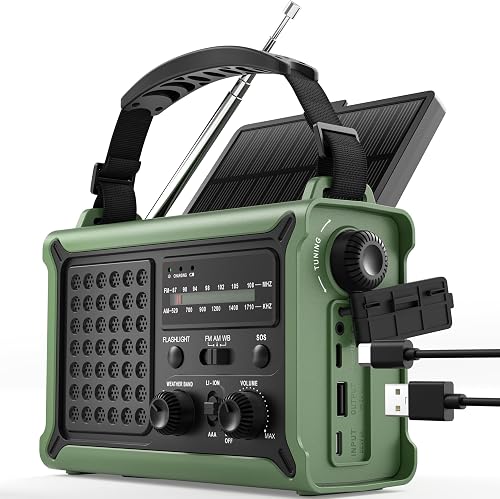
ROCAM Wind-Up Solar Emergency Radio
Hand-crank and solar powered radio with torch and phone charging, so you can hear official updates when the power and internet are down.
View on AmazonWe may earn a small commission if you buy through these links, at no extra cost to you. Learn more