Being prepared away from home: Everyday awareness, safety and security
Preparedness is often associated with emergency supplies, power cuts, extreme weather and situations in which we might need to fend for ourselves. But being prepared is about much more than responding to an emergency.
It is also about everyday awareness. Knowing where you are going, looking after your belongings, recognising when something does not feel quite right and making small, sensible decisions that may prevent an inconvenience from becoming something more serious.
It might be choosing a more secure handbag when visiting a busy town, checking the route back to your hotel before going out for dinner or simply paying attention to your surroundings rather than walking along looking at your phone.
When was the last time you looked at the fire evacuation plan on the back of a hotel bedroom door? Do you know where the emergency exits are in your favourite pub? If someone collapsed in a restaurant, would you know whether there was a defibrillator nearby?
These considerations apply whether you are close to home, travelling elsewhere in the UK or holidaying abroad. You do not need to be somewhere unfamiliar to benefit from a little situational awareness.
Many of these habits cost nothing. Others involve choosing practical products that make everyday life a little easier and more secure.
The aim is not to become suspicious of everyone or everything around you. It is simply to be aware, adaptable and reasonably self-reliant, wherever you happen to be.
What is everyday situational awareness?
Situational awareness means understanding your immediate surroundings, recognising potential hazards and knowing what options are available should circumstances change.
In everyday life, this might mean noticing an alternative exit when entering a restaurant, checking how your hotel bedroom door locks or establishing how you will get home if your train is cancelled.
It could also mean noticing that the pavement is particularly slippery, that you are running low on fuel or that your handbag zip has been left open in a crowded shopping centre.
It is not about being constantly on your guard. It is about paying a little more attention to things we might otherwise overlook.
Once these habits become second nature, they require very little conscious effort.
Our guide to developing situational awareness explores this subject in more detail.
Being aware of your surroundings when walking alone
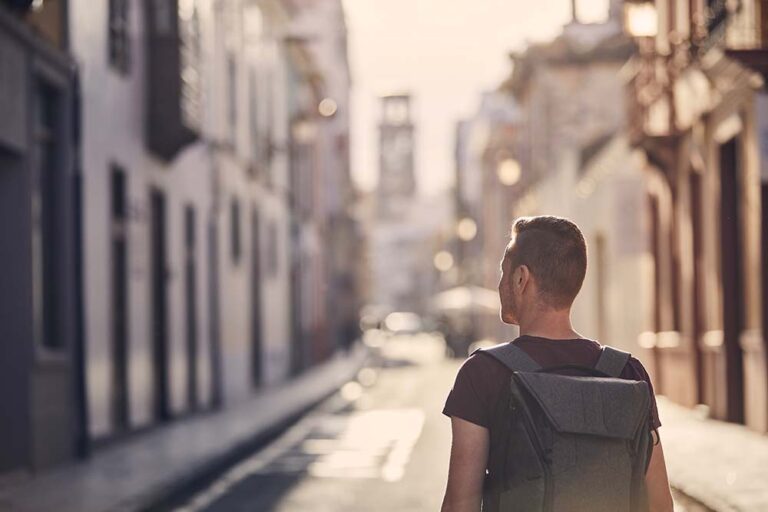
Whether you are walking home from work, popping to your local shops, exploring an unfamiliar town or returning to your hotel after dinner, a little awareness of your surroundings can be useful.
It is surprisingly easy to become distracted by a mobile phone, particularly when following directions, reading messages or listening to music.
You may also feel more relaxed in a familiar area, overlooking things that you would instinctively notice somewhere new.
Consider developing a few everyday habits:
- Check your route before setting off, particularly after dark;
- Choose reasonably well-lit, populated routes where practical;
- Avoid becoming so absorbed in your phone that you lose awareness of your surroundings;
- Keep headphone volumes low enough to hear what is happening around you;
- Use pavements and suitable pedestrian crossings where available;
- Keep your bag closed and secure;
- Have an alternative route or means of transport in mind;
- Notice shops, hotels and other staffed premises where you could seek assistance.
If you need to check directions on your phone, consider stopping somewhere appropriate rather than trying to navigate while walking.
Trust your judgement
Sometimes a situation simply does not feel right. You may find yourself walking along a particularly isolated road, notice someone behaving aggressively or feel uncomfortable about the direction in which you are heading.
You do not need to wait until something goes wrong before changing your plans.
Cross the road where it is safe to do so, choose a different route, enter a staffed premises or arrange alternative transport.
If you think someone may be following you, move towards a busy, staffed location rather than heading directly home or back to your accommodation. If you believe you are in immediate danger, call the emergency services.
A personal safety alarm may also be a useful addition to your everyday bag, provided it is readily accessible.
Being aware of your surroundings does not mean constantly looking over your shoulder. Nor should personal safety concerns prevent you from enjoying a walk or exploring somewhere new.
Responsibility for threatening or criminal behaviour always lies with the person responsible for it, not with someone who has failed to take a particular precaution.
Choose your everyday or travel bag with security in mind
When buying a handbag, backpack or travel bag, we often concentrate on appearance, comfort and how much it can hold.
Security features are also worth considering, particularly if you regularly travel by public transport, visit busy tourist destinations, attend crowded events or simply carry valuable items with you every day.
Some anti-theft travel bags incorporate features such as:
- RFID-blocking pockets;
- Secure or lockable zip fastenings;
- Slash-resistant straps and panels;
- Concealed compartments;
- Internal key clips;
- Adjustable crossbody straps;
- Pockets positioned against the body.
A bag with sensible security features does not need to look like specialist preparedness equipment. Many are designed to resemble ordinary handbags, backpacks and everyday travel accessories.
A secure crossbody handbag, for example, may be a practical option for sightseeing, shopping or travelling on public transport, allowing you to keep your belongings close while leaving both hands free.
Similarly, an anti-theft backpack may be useful for commuting or longer journeys.
However, no bag is completely theft-proof. How you carry it and where you leave it remain important.
Are RFID-blocking travel bags worth having?
Radio frequency identification (RFID) technology is used in various identification and payment systems, including contactless payment cards and electronic passports.
RFID-blocking wallets, RFID-blocking purses and RFID-blocking travel bags contain materials designed to restrict wireless communication with compatible cards or documents when they are stored inside.
Although unauthorised contactless scanning is technically possible, physical theft, lost cards, phishing and other forms of payment fraud are generally more practical concerns for travellers.
Nevertheless, an RFID-blocking compartment may be a useful additional feature when choosing a new travel bag, particularly if it does not add significantly to the cost.
If you are happy with your existing handbag or wallet, RFID-blocking card sleeves may offer an inexpensive alternative.
An RFID-blocking passport holder may also be worth considering for overseas travel.
When choosing a secure bag, however, prioritise comfortable straps, reliable fastenings and sensible compartment design rather than purchasing one solely for its RFID protection.
Our dedicated guide to travel prepping covers further considerations when travelling in the UK or overseas.
Look after your belongings in everyday situations
You do not have to be visiting a busy overseas tourist destination to benefit from a few basic security habits.
Think about how often we leave a handbag hanging from the back of a restaurant chair, put a mobile phone on a café table or carry a wallet in an easily accessible back pocket.
Small changes may help reduce opportunities for theft:
- Keep your bag within sight and reach in cafés and restaurants;
- Avoid leaving your phone or wallet on a table unnecessarily;
- Keep valuables in zipped internal compartments;
- Wear a crossbody bag towards the front of your body in crowded areas;
- Avoid keeping all your money and payment cards in one place;
- Never leave valuables visibly unattended in a vehicle;
- Enable your phone’s device-finding and remote-locking features.
If you regularly use public transport, get into the habit of checking that you have your phone, keys, wallet and other essentials before leaving your seat.
A Bluetooth luggage tracker may also help you locate misplaced belongings or track luggage during a journey, although it cannot prevent theft and its effectiveness will depend on the technology and coverage available.
Look for the way out when you go in
Whether you are visiting a pub, restaurant, cinema, theatre, nightclub or shopping centre, get into the habit of briefly noticing how you would leave in an emergency.
Most of us instinctively head towards the entrance we originally used. In an emergency, however, that route may be inaccessible, overcrowded or unsafe.
When entering an unfamiliar building, consider:
- Where is the nearest emergency exit?
- Is there an alternative exit?
- Am I above or below ground level?
- Are there stairs between me and the outside?
- Where are members of staff located?
- Would I recognise the way out if the main lighting failed?
Pay particular attention in basement bars, converted historic buildings, crowded entertainment venues and premises with unfamiliar layouts.
If you are sitting in a restaurant, for example, you can usually identify an emergency exit while waiting for your drinks to arrive. There is no need to spend the rest of the evening thinking about it.
It is also worth familiarising yourself with the green running-person emergency exit symbol, which is widely used internationally and may be more useful than written instructions when travelling overseas.
Even if you visit the same pub or restaurant every week, it is worth knowing where the alternative exits are.
What if a venue feels overcrowded?
Sometimes a venue simply feels too crowded for comfort.
If movement becomes difficult, exits appear obstructed or you feel increasingly uncomfortable, consider moving to a less congested area or leaving while you can do so safely.
If you notice an obstructed emergency exit, bring it to the attention of a member of staff.
You do not have to wait until something goes wrong before deciding that somewhere is not for you.
Further reading: Prepping in a city.
Hotel safety: Five minutes well spent
Most hotel guests have a fairly predictable routine when they arrive. Find the room, put down the luggage, inspect the bathroom, connect to the Wi-Fi and establish whether there are enough tea bags.
The emergency information on the back of the bedroom door rarely receives the same attention.
Yet spending five minutes familiarising yourself with your accommodation could be one of the most useful things you do during your stay, whether you are spending a night in a British seaside hotel or a fortnight in an overseas resort.
Read the hotel evacuation plan
Check the evacuation notice, which is often displayed on the back of your bedroom door, and establish:
- Your nearest emergency staircase;
- An alternative escape route;
- Which direction to turn when leaving your room;
- The location of the designated assembly point;
- Any specific instructions relating to the building;
- How to contact reception in an emergency.
If practical, walk along the corridor to locate the emergency staircase rather than relying entirely on the floor plan.
Hotel corridors can look remarkably similar, particularly when you have just woken up.
You may also find it useful to note how many bedroom doors you pass before reaching the staircase. This can help you orient yourself if the normal lighting fails, although you should never attempt to travel through dangerous smoke.
If a fire alarm sounds, follow the hotel’s evacuation instructions. Do not assume it is a false alarm simply because nobody else appears concerned.
Leave your belongings behind, avoid ordinary passenger lifts and do not re-enter the building until authorised to do so.
If your escape route is blocked by smoke or fire, do not attempt to pass through it. Call the emergency services, explain your location and follow their instructions.
Consider which floor you are staying on
There is no universally safest hotel floor.
Ground-floor rooms may offer easier access but can present additional security considerations. Rooms on higher floors may be more difficult to evacuate, particularly for someone with reduced mobility.
If you have mobility difficulties, a medical condition or another requirement that could affect evacuation, discuss this with the accommodation provider before your stay.
Ask what assistance is available rather than assuming arrangements will automatically be in place.
Check the security of your hotel room
Before settling in, check that:
- The bedroom door closes and locks correctly;
- Any fitted security latch works;
- Connecting doors are locked;
- Windows and balcony doors are secure;
- You know how to contact reception, including overnight;
- You can open the bedroom door quickly from the inside.
If a security feature is defective, report it and request an alternative room if necessary.
This is particularly important when staying in unfamiliar accommodation, serviced apartments or properties without a permanently staffed reception.
Should you use a door wedge in a hotel room?
Some travellers carry a rubber security door wedge, door wedge alarm or portable travel door lock for additional reassurance, particularly when staying alone.
Battery-operated door wedge alarms, for example, are designed to sound an alert if pressure is applied to the device by an opening door.
However, additional security should never compromise fire safety, emergency evacuation or essential emergency access.
Use the hotel’s fitted locks and security latch first. If you are considering an additional device, check that it is compatible with the door and can be removed immediately from inside.
A non-obstructive door-opening alarm, which alerts you to movement without physically blocking the door, may be a more appropriate option.
Never wedge a fire door open or use a device that could trap you inside your room.
Do not automatically open the door to strangers
If someone knocks on your hotel bedroom door claiming to be a member of staff, you are entitled to verify their identity before letting them in.
Use the door viewer where available, or telephone reception to establish whether the visit is genuine.
Similarly, if you are checking in alone and your room number is announced loudly in a busy reception area, you may prefer to ask staff to communicate it discreetly.
There is also no need to leave your hotel key card somewhere that identifies both your accommodation and room number.
These are small precautions that need not cause embarrassment or inconvenience.
Keep your bedside essentials together
If you needed to leave your hotel room unexpectedly during the night, would you know where your glasses, shoes, phone and room key were?
Keeping essential items in a familiar, accessible place is a useful habit.
A small rechargeable LED torch on the bedside table may also be helpful during a power cut, particularly if you are unfamiliar with the room.
Keep the route between your bed and the door clear of luggage, shoes and charging cables.
However, if immediate evacuation is necessary, do not delay leaving to collect possessions.
Know where to find first aid equipment
We tend to assume that if someone becomes ill or injured in a public place, somebody else will know what to do.
That may well be the case, but knowing where help is available could save valuable time.
When staying in a hotel, holiday park, campsite or remote accommodation, consider establishing:
- Where the first aid kit is located;
- Whether a trained first aider is available;
- Whether there is an automated external defibrillator (AED);
- How to contact staff outside normal operating hours;
- Where the nearest pharmacy or medical facility is.
You do not necessarily need to ask all these questions every time you check into a hotel. However, it may be particularly useful if you are staying somewhere remote, travelling with children or have a medical condition.
In self-catering accommodation, there may be no member of staff immediately available to assist you.
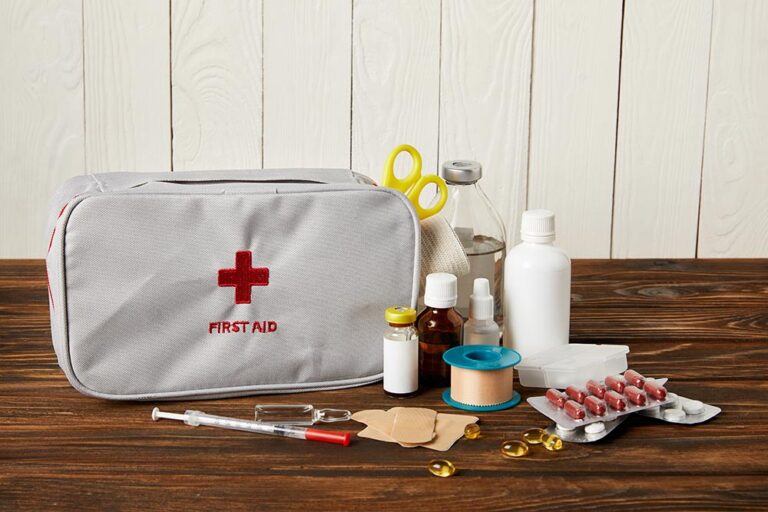
Carrying your own compact travel first aid kit is also worthwhile. Even something as straightforward as having plasters available when a new pair of shoes starts rubbing can make a day out considerably more enjoyable.
Know where the nearest defibrillator is
A defibrillator can be used by a member of the public without previous training. The equipment provides instructions, and emergency call handlers can guide you through what to do.
Defibrillators can be found in many hotels, railway stations, supermarkets, leisure centres and even former telephone boxes.
The Defib Finder website can help you locate registered defibrillators across the UK.
Bear in mind that some are only accessible during opening hours.
If someone collapses and is not breathing normally, call 999 immediately, start CPR as directed and arrange for someone else to retrieve a defibrillator if available.
Taking a basic first aid course is also one of the most practical investments anyone interested in preparedness can make.
Would you know where you were in an emergency?
Imagine having to call the emergency services from a restaurant you have never visited before, a hotel in an unfamiliar town or a rural holiday cottage.
Could you give the call handler an accurate location?
Many of us rely on our phones to tell us where we are without actually taking much notice of street names or addresses.
When arriving at unfamiliar accommodation, save the full address, including the postcode, somewhere accessible offline.
If visiting a remote location, establish the nearest road, identifiable landmark or access point.
Location-sharing applications such as what3words may provide supplementary information where supported, but should not replace clear location details or instructions from emergency services.
If travelling overseas, keep the address of your accommodation in the local language where appropriate.
This can be equally useful when trying to explain to a taxi driver where you want to go.
What should you do if there is a terrorist attack?
Being directly involved in a terrorist attack involving firearms or other weapons is rare in the UK. Nevertheless, knowing the official recommended response is a reasonable part of everyday preparedness.
You do not need to study potential attack scenarios or spend time identifying threats.
Simply familiarise yourself with the UK Counter Terrorism Policing guidance: RUN, HIDE, TELL.
RUN – escape if it is safe to do so
If there is a safe escape route, move away from the danger.
Leave belongings behind and do not stop to film what is happening. Encourage others to leave if possible, but do not allow yourself to be unnecessarily delayed.
This is one reason why having a general awareness of alternative exits in public buildings can be useful.
HIDE – if you cannot escape safely
If escaping would expose you to greater danger, seek somewhere protected.
Where possible, secure the entrance, silence your phone, including vibration, and remain quiet.
Official guidance distinguishes between being hidden from view and having physical protection. Something that conceals you may not necessarily protect you.
There is no universally safe hiding place. Your surroundings and the nature of the incident will determine which options are available.
TELL – contact the police when it is safe
Call 999 when it is safe to do so if you are in the UK.
If abroad, use the appropriate local emergency telephone number.
Provide your location and relevant information about what is happening. Follow instructions from the emergency services.
If armed police arrive, keep your hands visible and follow their directions.
The full RUN HIDE TELL guidance from ProtectUK explains the recommended response in more detail.
Knowing these three words is a sensible precaution. It does not need to occupy your thoughts every time you visit a public place.
Terrorism awareness when travelling abroad
The same principles of situational awareness apply whether you are enjoying a weekend in London, visiting a European Christmas market or relaxing at an all-inclusive holiday resort overseas.
However, the security situation in other countries may differ considerably from that in the UK. Language barriers, unfamiliar emergency procedures and different approaches to policing may also make an unexpected situation more difficult to navigate.
This does not mean you should avoid travelling or spend your holiday worrying about terrorism. It simply means making yourself aware of any relevant risks before you travel.
Check the security situation before travelling
The Foreign, Commonwealth & Development Office (FCDO) publishes country-specific travel advice, including information about terrorism, political unrest, demonstrations and other security concerns.
Before departing:
- Read the latest safety and security advice for your destination, including any countries you may be travelling through;
- Sign up for FCDO travel advice email alerts for your destination;
- Save the local emergency telephone numbers;
- Establish how to contact the nearest British embassy or consulate;
- Check your travel insurance policy for terrorism-related exclusions and restrictions;
- Save your travel insurer’s emergency assistance number.
Remember that travelling against FCDO advice may invalidate your travel insurance.
Security situations can also change between booking your holiday and arriving at your destination, so it is worth checking the latest advice shortly before departure and periodically during your stay.
Maintain everyday awareness while abroad
The same habits that are useful at home are equally relevant overseas.
When visiting hotels, restaurants, tourist attractions, markets, places of worship or entertainment venues, briefly familiarise yourself with your surroundings.
Notice emergency exits, establish where staff are located and consider how you would leave if your usual route became unavailable.
Other sensible precautions include:
- Following local security advice and respecting security checks;
- Avoiding demonstrations and areas affected by civil unrest;
- Paying attention to official announcements;
- Reporting genuine security concerns to local police or security staff;
- Keeping your mobile phone charged;
- Agreeing on a meeting arrangement with travelling companions;
- Being aware of local public holidays, festivals and events where additional security advice may apply.
If you notice a suspicious unattended item, do not touch or investigate it yourself. Move away and alert the appropriate authorities.
These precautions need not interfere with your holiday. Most require little more than a few moments of attention.
Does RUN, HIDE, TELL apply overseas?
Yes. The FCDO also recommends the RUN, HIDE, TELL principles if you are caught up in a terrorist attack involving weapons overseas.
- RUN – move away from danger if you can do so safely, leaving your belongings behind.
- HIDE – if escape is not possible, seek physical protection, secure your location where possible and silence your phone, including vibration.
- TELL – contact the local police or emergency services once it is safe to do so.
The important difference when travelling abroad is that you may need to call a different emergency telephone number.
For example:
| Destination | Emergency telephone number |
|---|---|
| United Kingdom | 999 or 112 |
| European Union countries | 112 |
| United States | 911 |
| Canada | 911 |
| Australia | 000 |
| New Zealand | 111 |
Always check the relevant emergency telephone numbers for your specific destination before travelling, as some countries have separate numbers for police, ambulance and fire services.
Save these numbers on your mobile phone and consider keeping a written copy with your travel documents.
What if you do not understand the language?
During an emergency overseas, language barriers may make it more difficult to understand announcements, communicate with emergency services or explain where you are.
Downloading an offline translation application before travelling may be useful.
It is also worth saving the full name and address of your accommodation in the local language and familiarising yourself with a few basic emergency phrases, such as:
- Please help me;
- Call the police;
- I need medical assistance;
- Where is the emergency exit?
However, do not delay moving to safety or contacting emergency services while trying to translate information.
What should you do after a security incident abroad?
Once you are somewhere safe:
- Follow instructions from local authorities;
- Let family or friends know you are safe;
- Contact your tour operator or accommodation provider where appropriate;
- Seek medical assistance if required;
- Contact your travel insurer if you need emergency assistance;
- Contact the British embassy or consulate if you require consular support;
- Avoid returning to the affected area until authorities confirm it is safe.
Be cautious about relying on unverified social media reports. During a developing incident, information may be incomplete, inaccurate or out of date.
If your travel plans are disrupted, maintain contact with your airline or tour operator and monitor official travel advice.
The UK Government may provide consular assistance during a crisis overseas, but you should not assume that evacuation or repatriation will automatically be arranged.
Preparedness abroad without unnecessary worry
The purpose of understanding terrorism-related safety advice is not to make you fearful of travelling.
Think of it in much the same way as watching the safety demonstration on an aircraft. Nobody boards a plane expecting an emergency, but knowing the basic procedures is a sensible precaution.
Checking travel advice, knowing local emergency numbers and recognising alternative exits takes relatively little effort.
Once you have done that, get on with enjoying your holiday.
For further information, read the FCDO’s official guidance on reducing your risk from terrorism while abroad and preparing for and dealing with crises overseas.
Staying safe when travelling alone
Travelling alone can be an enjoyable and liberating experience, whether you are taking a holiday, attending a business meeting or simply spending a day somewhere new.
A little preparation can make solo travel more straightforward and help you deal with unexpected changes to your plans.
Arrange a check-in
Let someone you trust know where you are staying and approximately when you expect to arrive or return.
For longer journeys or overnight stays, arrange an occasional check-in and agree what should happen if you unexpectedly fail to make contact.
You might also agree on a discreet code word or phrase that indicates you need assistance but cannot speak freely.
Temporary location sharing may be useful, provided you are comfortable with the privacy implications and share your location only with someone you trust.
Think about the return journey before you go out
It is easy to concentrate on getting somewhere without giving much thought to getting back.
Before heading out for the evening:
- Check when the last train or bus leaves;
- Save the details of a reputable, licensed taxi operator;
- Make sure your phone has sufficient charge;
- Keep enough money available for alternative transport;
- Download directions back to your accommodation.
When using a pre-booked taxi or private hire vehicle, check that the vehicle and driver match your booking details before getting in.
Avoid accepting unsolicited lifts from strangers.
These considerations apply as much to a night out in your local town as they do to a holiday abroad.
Be discreet about your plans
You do not need to tell people you have just met that you are travelling alone, where you are staying or when you intend to return to your accommodation.
Consider delaying social media posts that reveal your precise location until you have moved on.
This also avoids advertising that your home may be unoccupied.
Give yourself permission to change your plans
Sometimes a situation simply does not feel right.
Perhaps a conversation is making you uncomfortable, someone is becoming overly familiar or a route back to your accommodation is quieter than you expected.
You do not need to justify changing your plans to anyone.
Move somewhere public and staffed, arrange alternative transport or contact someone you trust.
Preparedness is not always about having the right equipment. Sometimes it is about being willing to act on your judgement.
Personal safety in bars, restaurants and entertainment venues
Most visits to hospitality venues are entirely uneventful. Nevertheless, a few sensible precautions are worth adopting, particularly when travelling alone or visiting somewhere unfamiliar.
Keep your drink with you and avoid accepting open drinks from strangers.
If you need to leave your table or go to the toilet, ask someone you trust to look after your drink or arrange for a replacement.
A reusable drink cover may help reduce opportunities for drink tampering, although it cannot guarantee protection or detect whether a drink has been spiked.
If you suddenly feel unusually intoxicated, confused or unwell, seek assistance from someone you trust or a member of staff. Obtain medical help where necessary.
Some UK hospitality venues participate in the Ask for Angela scheme, which allows customers who feel unsafe to discreetly request help from staff.
Not every establishment participates, so do not assume the scheme is available everywhere, particularly when travelling abroad.
You can also simply tell a member of staff that you feel unsafe and need assistance.
What if you become separated from someone?
We have become so accustomed to being able to telephone or message one another that we rarely make alternative arrangements.
But phones can run out of power, mobile networks can become congested and devices can be lost or damaged.
When attending a festival, shopping centre, sporting event or other busy venue with family or friends, agree on a recognisable meeting point.
This may be particularly useful when travelling abroad, where one or more members of your group may not have access to mobile data.
For children, make sure they know how to identify a suitable member of staff and what to do if they become separated from you.
In an emergency evacuation, never return to an unsafe building to search for someone. Inform the emergency services instead.
A simple meeting arrangement can prevent unnecessary worry and confusion.
Be prepared for your phone to stop working
A mobile phone is often our map, wallet, travel ticket, room key, emergency contact list and means of communication.
Losing access to it can therefore create several problems simultaneously.
Consider carrying:
- A compact power bank and suitable charging cable;
- A physical payment card;
- A small amount of emergency cash;
- Written emergency contact numbers;
- Your accommodation address;
- Offline copies of travel documents and maps.
It is also worth familiarising yourself with your phone’s emergency SOS and medical information features before you need them.
These vary between devices, so check the instructions for your particular model.
If you use digital boarding passes or electronic train tickets, check whether they remain accessible without an internet connection. Where appropriate and accepted, a printed copy may provide a useful alternative.
A little redundancy is useful. Having everything on one device is convenient until that device stops working.
Be prepared when travelling by car
Many everyday preparedness habits also apply when travelling by car, even if you are only making a relatively short journey.
Consider how often you set off without checking your fuel level, the weather forecast or whether your phone has sufficient charge.
Simple precautions include keeping enough fuel or electric vehicle charge for your journey, checking for road closures and leaving a little extra time when travelling somewhere unfamiliar.
It may also be worth keeping a few practical items in your vehicle, such as:
- A vehicle first aid kit;
- A high-visibility vest;
- A rechargeable torch;
- A portable tyre inflator;
- A warm travel blanket;
- A car phone charger;
- Drinking water and non-perishable snacks.
Remember to check the condition of items periodically, particularly anything with a rechargeable battery or expiry date.
When driving abroad, check the local requirements for compulsory vehicle safety equipment, as these vary between countries.
Being prepared when travelling overseas
Although the principles of everyday preparedness are broadly the same wherever you are, travelling abroad introduces additional considerations, including unfamiliar emergency procedures, language barriers and different laws.
Before departure, check the Foreign, Commonwealth & Development Office travel advice for your destination.
Establish:
- Local emergency telephone numbers;
- How to contact your travel insurer’s emergency assistance service;
- The location of your accommodation;
- How to access medical assistance;
- Whether your medication is permitted;
- Any restrictions on personal safety equipment;
- Alternative transport arrangements;
- Relevant local customs and laws.
The emergency telephone number 112 operates throughout the European Union, but emergency numbers elsewhere vary.
Downloading offline maps and a translation application can also be useful.
Keep copies of essential documents securely, rather than relying entirely on your original passport or an internet connection.
A water-resistant travel document organiser may be useful for keeping paperwork together, particularly if you are travelling with several family members.
Remember that items sold as personal protection equipment in one country may be illegal in another. Check local legislation before travelling.
If taking a power bank on an aircraft, check your airline’s battery capacity, cabin baggage and usage restrictions before departure. Power banks must generally travel in cabin baggage rather than checked luggage.
Be prepared for everyday inconveniences
Not everything that disrupts your day constitutes an emergency.
A cancelled train, an unexpected downpour, a broken handbag strap, a flat phone battery or a payment card that suddenly stops working can all cause considerable inconvenience.
Having a few alternatives available can make these situations much easier to manage.
A foldaway shopping bag, for example, takes up very little space but can be useful if your usual bag breaks or you need to carry something unexpectedly.
A compact umbrella, spare charging cable, tissues, plasters, emergency cash and a small bottle of water are equally practical additions to an everyday bag.
If you regularly take medication, consider what would happen if your journey home were delayed by several hours. Carry an appropriate supply in accordance with your prescription and any storage requirements.
A small snack may also be useful if your journey is unexpectedly delayed or you find yourself somewhere without access to suitable food.
This is preparedness at perhaps its most ordinary – anticipating minor problems and having simple solutions available.
What should you carry when away from home?
You do not necessarily need a large emergency bag every time you leave the house.
A small selection of everyday carry (EDC) items may be sufficient to deal with many of the inconveniences and minor emergencies you are more likely to encounter.
| Item | Potential use |
|---|---|
| Anti-theft crossbody bag | Keeping everyday belongings secure |
| RFID-blocking wallet or purse | Restricting certain types of unauthorised wireless scanning |
| Compact power bank | Maintaining access to communications and navigation |
| Rechargeable pocket torch | Power cuts and unfamiliar surroundings |
| Travel first aid kit | Minor injuries and basic first aid |
| Personal safety alarm | Attracting attention when assistance is needed |
| Portable door-opening alarm | Additional accommodation security alerts |
| Bluetooth luggage tracker | Locating misplaced belongings |
| Emergency whistle | Attracting attention where appropriate |
| Foldaway shopping bag | Carrying unexpected purchases or supplies |
| Refillable water bottle | Delays and unexpected journeys |
| Compact waterproof jacket | Sudden changes in weather |
| Travel sewing kit | Minor clothing or bag repairs |
| Spare charging cable | Charging your phone when a suitable power source is available |
| Emergency cash | Payment system failures or lost cards |
| Essential medication | Unexpected delays away from home |
| Written contact details | Loss of access to your mobile phone |
Choose items according to your destination, personal circumstances and the length of time you expect to be away.
Someone spending an afternoon in town will have different requirements from someone staying in a remote holiday cottage for a week.
Preparedness equipment is only useful if you have it with you and know how to use it.
For more ideas, read our guide to everyday carry – what do you need?.
Your 60-second everyday preparedness checklist
When arriving somewhere unfamiliar – or even somewhere you visit regularly – take a moment to consider:
- Do I know how to leave the building in an emergency?
- Is there an alternative exit?
- Where could I obtain assistance?
- Do I know my precise location?
- Are my belongings secure?
- Is my phone sufficiently charged?
- Can I contact someone if necessary?
- How would I get home if my original plans changed?
If staying overnight, add three more questions:
- Have I read the evacuation notice?
- Does my bedroom door lock securely?
- Do I know how to obtain assistance during the night?
Then get on with whatever you came to do.
The objective is not to remain constantly alert. It is to establish a few useful pieces of information before you might need them.
Develop a preparedness mindset, rather than an emergency mindset
Perhaps the most useful aspect of everyday preparedness is learning to think a little further ahead.
Where have I parked my car? Do I have enough fuel to get home? What happens if the last train is cancelled? Is my handbag securely closed? Does someone know where I am? Have I got enough medication if I am unexpectedly delayed overnight?
These are not dramatic questions. They are the sort of practical considerations that can help everyday life run more smoothly.
Being prepared is not always about having the equipment or knowledge to deal with a major emergency. Sometimes it is simply about avoiding an entirely preventable problem in the first place.
Our article on developing a prepper mindset explores how positive preparedness habits can become part of your everyday routine.
Frequently asked questions about being prepared away from home
Is preparedness just about emergencies?
No. Everyday preparedness includes personal security, travel planning, protecting belongings, managing unexpected delays and being aware of your surroundings. It can help with ordinary inconveniences as well as more serious situations.
How can I be more prepared when away from home?
Identify emergency exits, know how to obtain assistance, keep your belongings secure, maintain access to communications and carry basic everyday essentials. Establish alternative arrangements in case your original plans change.
How can I improve my awareness when walking alone?
Plan your route, pay attention to your surroundings, limit distractions from mobile phones and headphones, and identify public places where you could obtain assistance if necessary. Change your route or arrangements if you feel uncomfortable.
What is the safest type of bag for travelling?
A securely fastening crossbody bag or backpack with concealed compartments and secure straps may be a practical choice. RFID-blocking pockets and slash-resistant materials can provide additional features, although no bag is completely theft-proof.
Do I need an RFID-blocking travel bag?
An RFID-blocking travel bag is not essential, but it may provide additional protection against certain types of unauthorised wireless scanning. Physical security and sensible handling of your belongings are generally more important.
What should I do when I first enter a hotel room?
Read the evacuation notice, locate emergency staircases, check the door and window locks and establish how to contact reception. Keep your belongings clear of escape routes.
Is it safe to use a door wedge in a hotel room?
A door wedge may provide reassurance in certain circumstances, but it must not compromise emergency evacuation or essential access. Check the hotel’s rules and consider a non-obstructive door alarm instead.
How do I find the nearest defibrillator?
Ask venue staff or use Defib Finder to locate registered defibrillators in the UK. In a medical emergency, call 999 immediately and follow the call handler’s instructions.
What should you do if you are caught up in a terrorist attack abroad?
Follow the RUN, HIDE, TELL principles. Escape if it is safe, seek protection if you cannot escape and contact the local emergency services when safe. Follow instructions issued by local authorities.
How can I reduce my risk from terrorism when travelling overseas?
Check current FCDO travel advice, remain aware of your surroundings, follow local security guidance, know the local emergency telephone numbers and avoid areas affected by civil unrest.
Does travel insurance cover terrorist attacks abroad?
Cover varies between insurers and individual policies. Some policies may exclude certain terrorism-related claims or restrict cover when travelling against FCDO advice. Check your policy wording before travelling.
What should I do if a terrorist attack happens nearby?
Follow official RUN HIDE TELL guidance. Escape if there is a safe route, seek protection if escape is unsafe and contact the police when it is safe to do so.
How can I stay safe when travelling alone?
Plan your journeys, arrange occasional check-ins with someone you trust, secure your accommodation and avoid unnecessarily disclosing your location or itinerary.
What is the difference between situational awareness and paranoia?
Situational awareness involves recognising your surroundings and understanding your options. Paranoia involves excessive or unjustified suspicion. Practical preparedness should support everyday activities rather than prevent you from enjoying them.
Do I need an emergency kit every time I leave home?
Not necessarily. A charged phone, basic first aid supplies, essential medication, emergency cash and a small power bank may be sufficient for many everyday journeys. Adapt what you carry to your particular circumstances.
What should I do if my hotel fire alarm sounds at night?
Follow the hotel’s evacuation procedures promptly, use designated escape routes and leave your belongings behind. Do not use ordinary passenger lifts or attempt to pass through dangerous smoke.
Does everyday preparedness apply in the UK as well as abroad?
Yes. The same principles apply whether you are close to home, visiting another part of the UK or travelling overseas. When abroad, additional considerations include local laws, emergency telephone numbers, language barriers and access to medical assistance.
Preparedness should give you freedom, not restrict it
Being prepared away from home should not mean choosing restaurants according to their emergency exits, avoiding solo holidays or spending every evening wondering what might go wrong.
It is about making small, practical observations and decisions that allow you to enjoy those experiences with greater confidence.
Knowing where the fire exit is does not mean you expect a fire.
Choosing a secure handbag does not mean you expect to be pickpocketed.
Checking your hotel bedroom door does not mean you expect an intruder.
Carrying a torch does not mean you anticipate a power cut.
We routinely wear seat belts without expecting to have a car accident. Everyday preparedness can be approached in much the same way.
Whether at home or abroad, preparedness is as much about managing everyday life as it is about responding to exceptional circumstances.
A little forethought, a few sensible habits and the ability to adapt when circumstances change.
No drama required.
Useful resources and further reading
Official advice and personal safety resources
- ProtectUK – UK counter-terrorism and public safety guidance.
- RUN HIDE TELL – official guidance on responding to a terrorist attack involving weapons.
- St John Ambulance – first aid advice and training.
- British Heart Foundation – CPR and defibrillator information.
- Defib Finder – registered UK defibrillator locations.
- Ask for Angela – personal safety support in participating hospitality venues.
- Foreign, Commonwealth & Development Office travel advice – destination-specific information for overseas travellers.
- UK Finance – Take Five to Stop Fraud – advice on avoiding financial fraud and scams.
- Civil Aviation Authority – air travel and baggage safety information.
- National Fire Chiefs Council – UK fire and rescue information.
- FCDO – Reduce your risk from terrorism while abroad.
- FCDO – Prepare for and deal with crises abroad.
- FCDO – Understanding foreign travel advice.
- Find a British embassy, high commission or consulate.
Further reading from Prepper Weekly
- Developing situational awareness
- Everyday carry – what do you need?
- Travel prepping
- Prepper mindset: Be prepared
- Prepping in a city
- How do I start prepping?
- How to build a 72-hour emergency kit without spending a fortune
Disclaimer: This article provides general preparedness and personal safety information. Individual circumstances, accommodation policies and local laws vary. No safety product or precaution can guarantee personal security. Always follow official emergency guidance, manufacturers’ instructions and directions issued by emergency services and venue staff.
Recommended products

Fireproof Document Bag
Keep passports, insurance papers, cash and USB backups together and protected from fire and water – grab it and go.
View on Amazon
British Standard First Aid Kit
A well-stocked, BS-compliant kit for home, car or workplace. Everything you need to deal with cuts, burns and sprains.
View on Amazon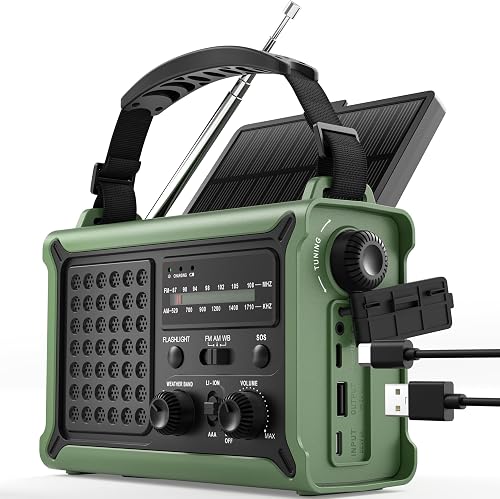
ROCAM Wind-Up Solar Emergency Radio
Hand-crank and solar powered radio with torch and phone charging, so you can hear official updates when the power and internet are down.
View on AmazonWe may earn a small commission if you buy through these links, at no extra cost to you. Learn more