How to build a 72-hour emergency kit without spending a fortune
This guide contains affiliate links. If you buy through them, Prepper Weekly may earn a small commission at no extra cost to you. Prices and availability change, so check the latest details before you buy.
You don’t need a cupboard full of expensive survival equipment to prepare for an emergency. In fact, many of the things you need for a short-term disruption are probably already in your home.
A prolonged power cut, severe storm, burst water main or unexpected evacuation can quickly disrupt everyday routines. Having a few essential supplies ready can make these situations considerably easier to manage.
The UK Government’s Prepare campaign encourages households to take simple steps to prepare for emergencies, including keeping food, water and other essential supplies available.
A good starting point is a 72-hour emergency kit, designed to help your household manage three days of disruption.
If you’re completely new to preparedness, our beginner’s guide to prepping explains how to get started without becoming overwhelmed.
What should a 72-hour emergency kit contain?
A basic 72-hour emergency kit should include:
- Drinking water for everyone in the household.
- Non-perishable food that can be eaten without cooking.
- A battery-powered or wind-up torch.
- A battery-powered or wind-up emergency radio.
- A portable phone power bank and suitable charging cables.
- A first aid kit and essential medication.
- Warm clothing, blankets and spare socks.
- Toiletries and hygiene supplies.
- A manual tin opener.
- Important telephone numbers and documents.
- Supplies for babies, older people or pets, where needed.
You don’t necessarily need to buy everything at once. Check what you already have before spending money.
For a more comprehensive list, see our UK household emergency kit checklist.
How much emergency water should you store?
Water is one of the most important supplies to consider, particularly if a disruption affects your mains water supply.
As a practical starting point, allow approximately three litres of drinking water per person per day, with additional supplies for food preparation, washing, pets and medical needs.
For a household of two, that means at least 18 litres of drinking water for three days.
You may need considerably more depending on individual circumstances.
Commercially bottled water is an easy starting point. Store it somewhere cool and away from direct sunlight, following the manufacturer’s storage guidance.
Reusable food-grade water containers are another option, provided they are cleaned and maintained appropriately. Our prepper’s guide to water storage covers this in more detail.
Shop water storage: food-grade water containers · collapsible water carriers · portable water filters
What food should you keep for a 72-hour emergency?
Choose foods that are familiar, affordable and easy to store.
Good options include:
- Tinned beans, vegetables and fruit.
- Ready-to-eat tinned meals.
- Crackers and oatcakes.
- Peanut butter and other shelf-stable spreads.
- Dried fruit and nuts.
- Cereal and snack bars.
- Long-life milk in small cartons.
- Food suitable for any dietary requirements.
If you might be unable to cook, prioritise food that can be eaten cold.
Remember to keep a manual tin opener with your supplies.
One simple approach is to buy an extra tin or packet during your normal weekly shop. Rotate these items into everyday meals before they expire.
Are freeze-dried emergency meals worth buying?
Freeze-dried and dehydrated meals can be useful additions to an emergency food supply, particularly where storage space is limited.
They are generally lightweight, compact and available in a wide variety of meals. Some specialist products also offer extended shelf lives, although this varies considerably between brands. If you’re unsure which type to choose, see our explainer on the difference between freeze-dried and dehydrated foods.
However, many require hot water for preparation, so you’ll need to consider how you would heat water safely during a power cut.
Base Camp Food stocks a range of expedition meals, ready-to-eat options and specialist emergency food products.
These can complement ordinary supermarket supplies rather than replace them entirely.
Browse freeze-dried meals and emergency food packs at Base Camp Food
For most households, a combination of familiar cupboard staples and selected long-life meals offers a sensible balance between convenience, cost and storage space.
What lighting should you have during a power cut?
A reliable torch is essential when the electricity fails.
The government’s emergency preparedness guidance recommends battery-powered or wind-up torches, which are safer than candles.
Ideally, keep a torch in the bedroom and another somewhere easily accessible downstairs.
A lantern can also be useful for lighting a room without needing to hold a torch.
Head torches are particularly practical when you need both hands free.
Shop emergency lighting: rechargeable LED lanterns · wind-up torches · head torches. For our picks, see the top 5 torches under £75.
Should you include a portable power station in your emergency kit?
A portable power station isn’t essential for a basic 72-hour emergency kit, but it can be a useful addition if you want to keep several devices running during a prolonged power cut.
Unlike a conventional power bank, a portable power station may provide USB sockets and mains-style outlets, allowing you to charge phones, tablets, laptops and other compatible equipment.
For example, Jackery offers a range of portable power stations and solar generator packages designed for home backup, camping and off-grid use.
The capacity you need depends on what you want to power and for how long. A smaller unit may be sufficient for charging phones and running LED lights, while larger models can support more demanding equipment, subject to their output limits.
If you are considering a portable power station, check:
- Battery capacity, measured in watt-hours (Wh).
- Maximum continuous power output, measured in watts (W).
- Available USB and mains outlets.
- Charging time and compatible solar panels.
- Whether it can support the devices you intend to use.
- The manufacturer’s safety and storage instructions.
Check the latest Jackery portable power stations and solar generators on Amazon
We’ve also reviewed Jackery equipment ourselves. Read our Jackery portable power station and SolarSaga solar panel review for a closer look.
For other ways to keep the lights on, see our guides to emergency power sources and solar power banks and backup supply options.
A portable power station is an optional upgrade rather than a substitute for drinking water, food, medication and other essential emergency supplies.
If you just need to keep phones topped up, a good-capacity power bank is a much cheaper starting point.
Do you need an emergency radio?
A radio can be valuable if your broadband connection fails or mobile networks become unreliable.
A battery-powered or wind-up model lets you receive broadcasts without relying on your home internet connection, provided local radio transmissions remain available.
Look for a radio that supports appropriate UK broadcasts and is straightforward to operate.
Some models also include a built-in torch, solar charging or a USB output for emergency phone charging.
However, the charging capacity of small wind-up radios is generally limited.
Our guide to the best emergency radios for UK households compares the features worth looking for, or browse wind-up emergency radios on Amazon.
What first aid and personal supplies should you include?
Your emergency kit should reflect the needs of everyone in your household.
Alongside a basic first aid kit, consider:
- Essential prescription medication.
- Spare glasses or contact lens supplies.
- Personal hygiene products.
- Baby food, nappies and formula, where needed.
- Pet food and medication.
- Copies of important medical information.
- Spare batteries for essential devices.
Anyone who relies on electrically powered medical equipment should have an individual emergency plan agreed with their healthcare provider.
Keep medication in accordance with its storage instructions and check expiry dates regularly. For more on choosing a kit, see our guide to first aid training and kits.
How much should you spend on an emergency kit?
There is no fixed amount.
Start by gathering the supplies you already own. Then prioritise water, food, lighting and communication.
You can gradually add extra equipment if your budget allows.
An expensive ready-made survival kit isn’t necessarily better than a carefully assembled collection of useful everyday items.
For example, you might already have blankets, a torch, tinned food and a first aid kit. Your initial spending could therefore be limited to extra drinking water, batteries and a suitable power bank.
Where should you keep your emergency supplies?
Choose a dry, accessible location that everyone in the household knows about.
Keep a smaller grab bag near an exit if you might need to leave home quickly.
Our guide to bug out bags explains how to prepare a portable kit for evacuation.
Check supplies approximately every six months, replacing expired food, checking batteries and updating important information.
Frequently asked questions
Is a 72-hour emergency kit necessary in the UK?
A three-day kit is a practical way to prepare for temporary disruptions such as severe weather, power cuts or interruptions to water supplies.
Do I need specialist survival food?
No. Ordinary supermarket food is suitable, provided it can be stored safely and prepared under the conditions you are planning for.
Are freeze-dried meals suitable for emergency kits?
Yes, provided you have the water and, where necessary, a safe means of heating it. Check preparation instructions and shelf life before buying.
Should I buy a ready-made emergency kit?
A ready-made kit can be convenient, but assembling your own often gives you greater control over the contents and cost.
What is the most important emergency supply?
Safe drinking water is a priority, alongside any essential medicines and equipment needed by members of your household.
How often should I check my emergency kit?
A review every six months is a sensible starting point, with more frequent checks for medication, batteries or other items that need regular attention.
Final thoughts
Emergency preparedness doesn’t have to be expensive or complicated.
A few sensible purchases, combined with supplies already in your cupboards, can help your household cope with unexpected disruption.
Start with the essentials, build gradually and review what you have regularly.
If you’re also concerned about losing electricity or mobile coverage, read our guide to how to stay connected when the power and internet go down for further communication planning advice.
Recommended products

Fireproof Document Bag
Keep passports, insurance papers, cash and USB backups together and protected from fire and water – grab it and go.
View on Amazon
British Standard First Aid Kit
A well-stocked, BS-compliant kit for home, car or workplace. Everything you need to deal with cuts, burns and sprains.
View on Amazon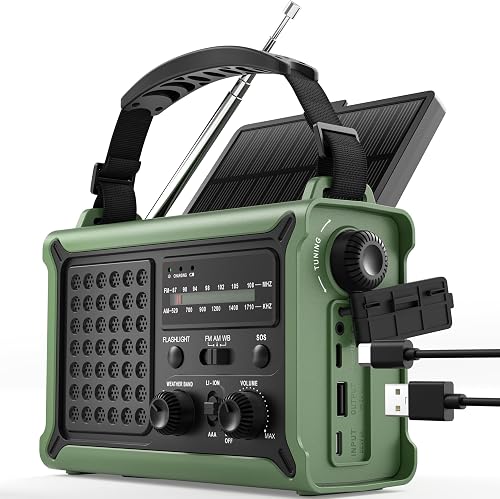
ROCAM Wind-Up Solar Emergency Radio
Hand-crank and solar powered radio with torch and phone charging, so you can hear official updates when the power and internet are down.
View on AmazonWe may earn a small commission if you buy through these links, at no extra cost to you. Learn more