What Is The Difference Between Freeze-Dried And Dehydrated Foods?
Freeze-dried and dehydrated foods are two different types of food preservation techniques. Both methods are used to preserve food for long periods of time, but they have some distinct differences.
What are freeze-dried foods?
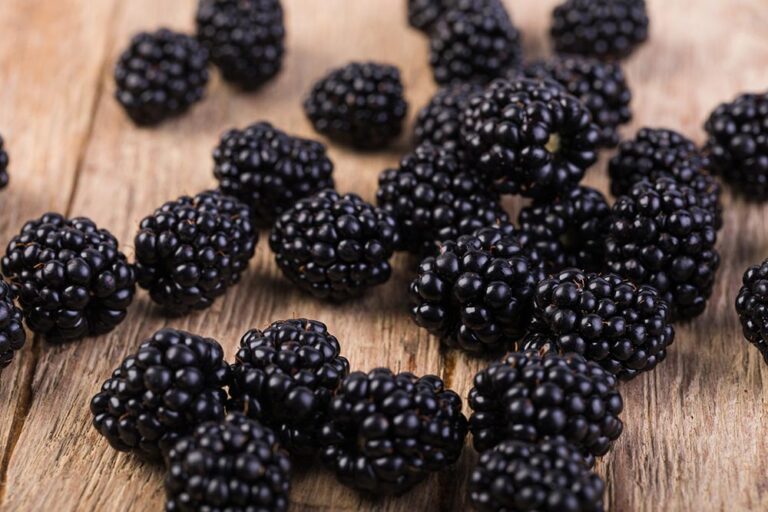
Freeze-dried food is a type of food preservation that involves rapidly freezing the food and then reducing the pressure and temperature around it. This causes the water in the food to sublime directly into a gas, leaving the food in a solid, dry form. Freeze-dried foods are typically more expensive than dehydrated, and the process is often used for high-value items such as coffee and fruits. The advantage of freeze-dried foods is that they retain their nutritional value and texture more than dehydrated foods.
There are some great food and meal packs over at Base Camp Food from such suppliers as Real Turmat, Adventure Nutrition, Expedition Foods, and Wayfarer.
What are dehydrated foods?
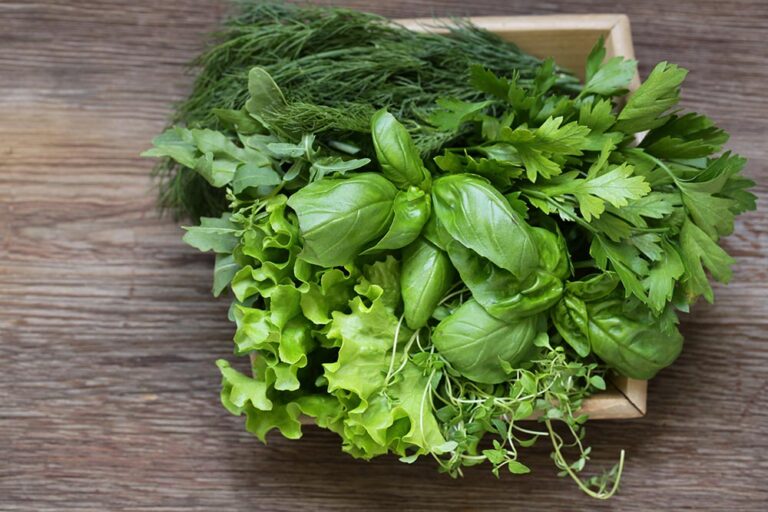
Dehydrated food is a type of food preservation that involves removing the moisture from the food until it is dried and has a much lower water content. Dehydrated food is usually less expensive than freeze-dried and is more commonly used for products such as fruit, vegetables, pulses and meat (jerky). Dehydrating does not retain the original texture of the food, but it does reduce the overall weight, making it easier to transport. Buy a food dehydrator here.
What is the difference?
The main difference between freeze-dried and dehydrated foods is the amount of moisture that is removed. Freeze-drying removes almost all of the moisture, while dehydrating removes some but not all of the moisture.
Both processes can be used to preserve food and extend its shelf life, but the choice between the two will depend on the type of food and the desired outcome. For example, freeze-drying is more suitable for preserving high-value items such as fruits and coffee, while dehydrating is better for preserving fruit and vegetables.
What is best – freeze-dried or dehydrated food?
The answer to this question depends on the specific food in question and individual preferences. Generally speaking, freeze-dried food is considered to be the best choice in terms of taste, nutrition, and convenience. Freeze-dried food is more nutrient-dense than dehydrated food, as the freezing process helps to preserve more of the food’s nutrients. Additionally, freeze-dried food has a longer shelf life than dehydrated food, making it a more convenient option.
Things to remember
Both freeze-dried and dehydrated meals need water to rehydrate them, so factor that into your water stores. If you dehydrate meat at home, heat it to a safe temperature first (or use a dehydrator with a meat setting) to kill harmful bacteria. Once a pack is opened, reseal it tightly, keep it cool and dry, and use it within the time stated on the packaging.
Products Mentioned
About The Author

Article by the Prepper Weekly editor. Prepper Weekly covers practical, UK-focused preparedness – from emergency planning, power cuts and flooding to food, water, kit and outdoor skills – without the fear-mongering. Find out more about Prepper Weekly.
Recommended products

Bonsenkitchen Vacuum Sealer Machine
Vacuum-seal dried foods and bulk buys to keep them fresher for longer and save space in your food store.
View on Amazon
Expedition Foods Spaghetti Carbonara (Double Serving)
Freeze-dried, high-calorie meal – just add hot water. Long shelf life makes it ideal for your emergency food store or bug out bag.
View on Amazon
Emergency Ration Biscuits – Chocolate (12 Pack)
Compact, high-energy ration bars with a long shelf life. Easy to stash in the car, office or grab bag for when shops are out of reach.
View on AmazonWe may earn a small commission if you buy through these links, at no extra cost to you. Learn more