19 ways to stay cool without electricity

As the summer sun graces the United Kingdom with its warmth, it’s essential to find ways to stay cool without solely relying on electricity.
While air conditioning might not be the go-to solution for many, there are plenty of effective and eco-friendly methods to beat the heat and keep comfortable during the UK’s summer months.
From simple lifestyle adjustments to clever DIY tricks, here’s a comprehensive guide to staying cool without electricity.
1. Optimal Ventilation and Cross-Breeze
One of the simplest and most effective ways to cool down your living space is to encourage natural ventilation. Open windows on opposite sides of your home to create a cross-breeze. This helps fresh air circulate, carrying away heat and bringing in cooler air from outside. Adjust blinds and curtains to block direct sunlight during the hottest parts of the day.
2. Strategic Window Coverings
Speaking of blinds and curtains, choosing the right window coverings can make a significant difference. Opt for light-coloured, reflective curtains that can help deflect the sun’s rays and prevent indoor heat build-up. Look at reflective window films which reflect out the heat.
3. DIY Cooler
Creating a DIY cooler can provide effective cooling without electricity. Fill a shallow pan with water and place it in front of an open window. As air passes over the water, some of it evaporates and slightly cools the air. Don’t expect too much, though – in the UK’s fairly humid climate the effect is modest.
4. Stay Hydrated
Staying hydrated is crucial during hot weather. Drink plenty of water throughout the day to regulate your body temperature and prevent heat-related illnesses. Opt for chilled water or natural fruit juices for a refreshing twist.
5. Cooling Foods
Certain foods can help lower your body temperature from the inside. Enjoying cooling foods like cucumbers, watermelon, mint, and yogurt can provide relief from the heat. These foods have high water content and can help you feel refreshed.
6. Cotton Clothing
Choose lightweight, breathable, and loose-fitting clothing made from natural fibres like cotton. These fabrics allow air to circulate and prevent excessive sweating.
7. DIY Cold Compress
Create your own cold compress by soaking a cloth in cold water or placing it in the freezer for a short while. Apply it to your pulse points—wrists, neck, and temples—for quick relief from heat.
8. Take Cool Showers or Baths
A cool (rather than very cold) shower or bath can work wonders in cooling your body down quickly – the NHS recommends cool rather than ice-cold water, as very cold water can cause cold shock. This is especially effective during the hottest parts of the day.
9. Homemade Fans
Create your own handheld fans using materials like cardboard, paper, and sticks. These DIY fans can provide a breeze and are a fun craft project for both kids and adults.
10. Choose the Right Sleeping Arrangements
Sleeping can be challenging during hot nights. Opt for light bedding made from natural fibres (such as bamboo sheets) and consider placing your mattress on the floor where it’s cooler. If you have access to a basement or cooler room, that might be the ideal spot for a good night’s sleep.
11. Wet Sheets and Towels
Dampen a sheet or towel with cold water and hang it in front of an open window. The incoming breeze will pass through the wet fabric, creating a cool and refreshing indoor environment.
12. Go Outdoors Wisely
If you need to be outdoors, choose the cooler parts of the day, typically early morning or late afternoon. Wear a wide-brimmed hat, use a sun umbrella, and carry a water spray bottle to mist your face and body.
13. Create Shade
If you have an outdoor space, create shade using natural elements like trees or strategically positioned fabric. Shade can significantly lower the ambient temperature around you.
14. Sleep Under the Stars
If conditions permit, consider sleeping outside on a balcony, terrace, or in your garden. Sleeping under the stars can provide a natural and cooler sleeping environment.
15. Ice Packs and Cold Water Bottles
Place ice packs or frozen water bottles in front of fans to create a DIY air conditioner. The fan will blow air over the cold surface, creating a chilled breeze. Note, you can use foldable, USB powered fans, so if there is no electricity, at least you will be able to keep cool for a while.
16. Embrace Cold Damp Cloths
Keep a stack of damp washcloths in your fridge. When you need a quick cool-down, place a cold cloth on your forehead, neck, or wrists.
17. Minimise Cooking Heat
Opt for no-cook or minimal-cook meals during the hottest days. Salads, fresh fruits, and sandwiches are great options.
18. Reflective Roof Coverings
For those who have control over their roofs, consider using reflective materials to cover your roof. This can help deflect the sun’s rays and keep your home cooler.
19. Keep Rooms Uncluttered
Clutter can restrict airflow and contribute to heat buildup. Keep rooms uncluttered to allow air to circulate freely.
Know the signs of heat exhaustion and heatstroke
Heat exhaustion can cause a headache, dizziness, feeling sick, heavy sweating, cramps, a fast pulse and intense thirst. Move the person somewhere cool, get them to lie down with their feet raised, give them plenty of water to drink and cool their skin – they should start to feel better within 30 minutes. If they don’t, or if they become confused, stop sweating, have a fit or lose consciousness, it could be heatstroke: call 999 immediately (NHS guidance).
- Babies and young children, older people, and anyone with a long-term health condition are most at risk – check on vulnerable friends and neighbours during a heatwave.
- Never leave children or pets in a parked car, even for a few minutes.
Staying cool in the UK summer heat without relying on electricity is entirely feasible with a bit of creativity and strategic planning. By incorporating these tips into your routine, you can enjoy a refreshing and comfortable summer while minimising your environmental impact and saving money on your electricity bills.
About The Author

Article by the Prepper Weekly editor. Prepper Weekly covers practical, UK-focused preparedness – from emergency planning, power cuts and flooding to food, water, kit and outdoor skills – without the fear-mongering. Find out more about Prepper Weekly.
Recommended products

Fireproof Document Bag
Keep passports, insurance papers, cash and USB backups together and protected from fire and water – grab it and go.
View on Amazon
British Standard First Aid Kit
A well-stocked, BS-compliant kit for home, car or workplace. Everything you need to deal with cuts, burns and sprains.
View on Amazon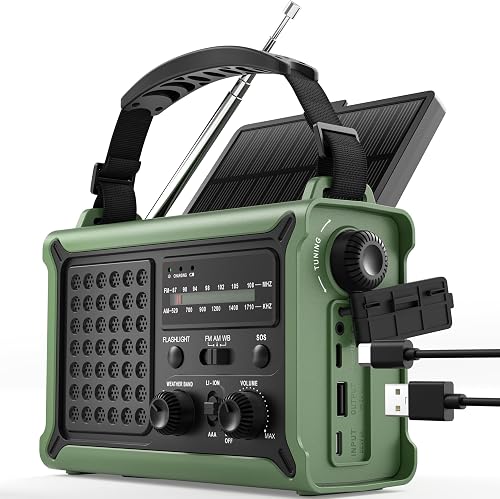
ROCAM Wind-Up Solar Emergency Radio
Hand-crank and solar powered radio with torch and phone charging, so you can hear official updates when the power and internet are down.
View on AmazonWe may earn a small commission if you buy through these links, at no extra cost to you. Learn more