Reducing Space: An Overview On Vacuum Food

Sir Edmund Hillary, Mount Everest and the introduction of vacuum-packed food
Sir Edmund Hillary was a New Zealand mountaineer who, along with Tenzing Norgay, became the first individuals to successfully summit Mount Everest, the highest peak on Earth. Their historic achievement took place on May 29, 1953, and forever cemented their names in mountaineering history. Hillary, born on July 20, 1919, in Auckland, New Zealand, developed a passion for mountains at a young age. After serving in the Royal New Zealand Air Force during World War II, he dedicated his life to exploring and conquering the world’s highest peaks.
On vacuum-packed food
“Himalayan rations usually consist of a combination of bulk stores taken out from England or obtained in India and of foodstuffs purchased locally in the Himalayas. Rice, potatoes, tsampa (coarse flour made from roasted barley), dhal (a kind of lentil), eggs, chickens and meat are the chief foods available locally; fresh fruit and vegetables are seldom, if ever, obtainable. The earlier Everest expeditions took with them a great variety of bulk stores. Later expeditions have come to depend increasingly on local food supplies, limiting their bulk stores to essential items not procurable locally, such as tea, powdered milk, sugar, jam, biscuits and butter […] ” (Himalayan Rations with Special Reference to the 1953 Expedition to Mount Everest By L. G. C. PUGH, Division of Human Physiology, Medical Research Council Laboratories, Hampstead, London, N. W.3)
Vacuum-packed food refers to food products that have been sealed in airtight packaging to extend their shelf life. This packaging method involves removing the air from the package before sealing it, which helps to prevent spoilage and preserve the freshness of the food. Vacuum-packed food is commonly used in both commercial and residential settings, offering numerous benefits to consumers and businesses alike.
One of the main advantages of vacuum-packed food is its ability to maintain the flavor and nutritional value of the product for an extended period. By removing the oxygen from the packaging, the growth of bacteria, yeast, and molds is significantly slowed down, thereby prolonging the shelf life of the food. With conventional packaging, these organisms thrive in the presence of oxygen, leading to spoilage and degradation of the food quality. Vacuum packaging effectively prevents this, ensuring that the food reaches consumers in optimal condition.
Additionally, vacuum-packed food reduces the risk of freezer burn, which is a common problem when storing food in a freezer for an extended period. Freezer burn occurs when air comes into contact with the food, causing dehydration and oxidation of the surface. This can result in the development of unpleasant textures and flavors in the food. By vacuum-sealing the food, the presence of air is eliminated, effectively preventing freezer burn and thus preserving the taste and texture of the product.
Vacuum packaging also improves the storage efficiency of food. The removal of air from the package significantly reduces its size, enabling more efficient use of space in refrigerators, freezers, and pantries. This is particularly beneficial in commercial settings where large quantities of food need to be stored, as it allows for better organization and maximizes storage capacity. Furthermore, vacuum-packed food is an excellent option for those looking to reduce food waste. With extended shelf life, vacuum-sealed products can enjoy a longer lifespan, minimizing the likelihood of them being thrown away due to spoilage.
This not only saves money but also has positive environmental implications by reducing the amount of food that ends up in landfills. Along with its advantages, it is important to note that vacuum packaging may not be suitable for all types of food. Some products, such as soft cheeses, fruits with high water content, and raw mushrooms, can experience adverse effects when vacuum-packed, as the absence of air can lead to changes in texture and flavor. It is crucial for manufacturers and consumers to carefully assess the compatibility of specific foods with vacuum packaging to ensure optimal results.
Vacuum-packed food offers numerous benefits for both consumers and businesses. With its ability to preserve flavor and nutritional value, prevent freezer burn, enhance storage efficiency, and reduce food waste, vacuum packaging has become an increasingly popular method in the food industry. However, it is important to consider the compatibility of specific foods with this packaging method to ensure the best results. Overall, vacuum-packed food provides a convenient and effective solution for prolonging the shelf life of various food products.
How to vacuum pack food for your store cupboard
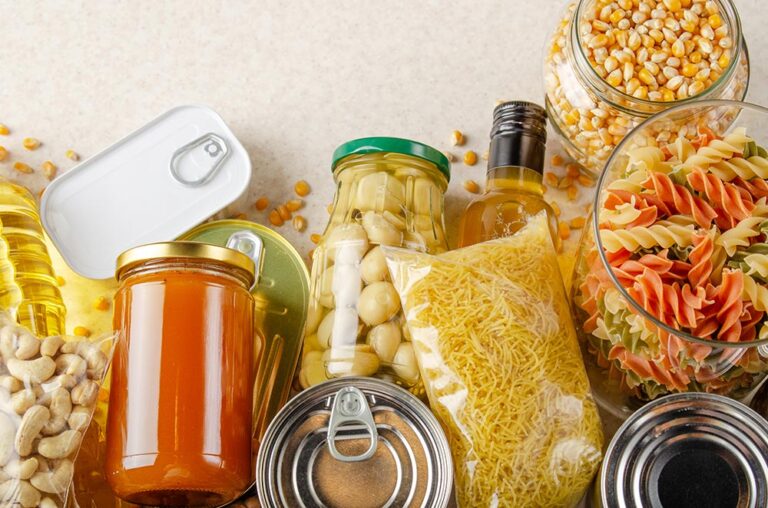
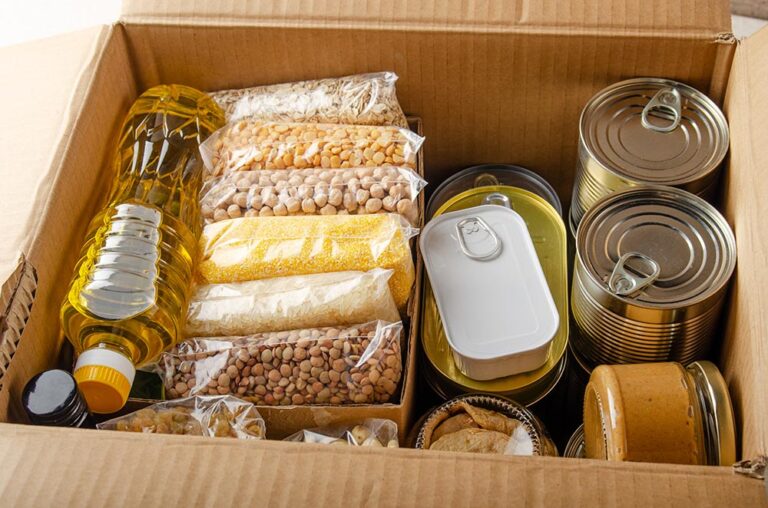
- Vacuum pack dry foods such as rice, pasta, oats, dried beans, lentils and dried fruit in portion-sized bags so you only open what you need.
- For long-term dry storage, add an oxygen absorber or use Mylar bags, and keep the packs somewhere cool, dark and dry.
- Label every bag with what is inside and the date you packed it, and rotate your stock – first in, first out.
- Check bags regularly and use or repack any that have lost their seal.
Vacuum packing and food safety
Vacuum packing slows spoilage, but it does not make perishable food safe to keep at room temperature. Fresh meat, fish, dairy, cooked food and fresh vegetables must still be kept in the fridge or freezer after vacuum packing. Some dangerous bacteria, including Clostridium botulinum, can grow without oxygen, which is why the Food Standards Agency advises that chilled vacuum-packed food should generally be eaten within 10 days unless other controls are in place. If in doubt, freeze it.
As final words, we can definitely underline that vacuum packed foods have several benefits, including extended shelf life and preservation of freshness. The removal of air from the packaging inhibits the growth of bacteria and fungi that cause food spoilage and gives the food a longer shelf life. This process also keeps the food fresh, prevents dehydration, and helps retain its aroma, flavor, and nutrients. Additionally, vacuum packing reduces the need for preservatives and additives, making it a healthier option. It also prevents freezer burn in frozen foods. Overall, vacuum packed food is a convenient and practical way to store and preserve food.
About the Author

Article by Kyt Lyn Walken. Official Representative and Instructor for Hull’s Tracking School and Certified Conservation Ranger for the NGO Conservation Rangers Operations Worldwide.
Recommended products

Bonsenkitchen Vacuum Sealer Machine
Vacuum-seal dried foods and bulk buys to keep them fresher for longer and save space in your food store.
View on Amazon
Expedition Foods Spaghetti Carbonara (Double Serving)
Freeze-dried, high-calorie meal – just add hot water. Long shelf life makes it ideal for your emergency food store or bug out bag.
View on Amazon
Emergency Ration Biscuits – Chocolate (12 Pack)
Compact, high-energy ration bars with a long shelf life. Easy to stash in the car, office or grab bag for when shops are out of reach.
View on AmazonWe may earn a small commission if you buy through these links, at no extra cost to you. Learn more