Best portable power stations UK: backup power for power cuts
How would you keep your phone charged, your fridge running or essential electrical equipment working if the power went off for several hours – or even days?
The UK Government’s Prepare campaign encourages households to take practical steps to prepare for emergencies, including power cuts and severe weather. While keeping a torch, spare batteries and a charged power bank to hand is a sensible starting point, a portable power station could provide an additional level of preparedness.
Essentially a large rechargeable battery, a portable power station typically features standard UK plug sockets, USB ports and, in many cases, a 12V car-style socket. Unlike petrol or diesel generators, battery-powered stations produce no exhaust fumes, operate relatively quietly and can be used indoors when operated in accordance with the manufacturer’s safety instructions.
Depending on its capacity and power output, a portable power station could keep everything from mobile phones and laptops to lighting, broadband routers and certain household appliances running during a power cut.
But with so many models on the UK market, ranging from compact units costing a few hundred pounds to larger systems capable of powering multiple appliances, how do you know which one is right for your household?
In this guide, we look at what we consider are some of the best portable power stations available in the UK, explain what to consider before buying and explore how much backup power you might realistically need to help your household cope with an electricity outage.
What is a portable power station?
A portable power station stores electricity in a rechargeable battery and supplies it through sockets or USB ports. For most UK households, a 500–1,000Wh unit is a useful starting point for communications, lighting and selected small appliances. Larger units may be worthwhile for longer outages or refrigeration, subject to output and energy demand.
Which portable power station should you buy?
Knowing which portable power station will best suit your circumstances depends on what you think you will need it for. Here’s some ideas for comparison …
| Household need | Capacity to investigate | Candidate range |
|---|---|---|
| Phones and lights | 250–300Wh | Jackery Explorer 300 class |
| Router and small devices | 500–800Wh | EcoFlow RIVER or Bluetti AC compact range |
| Fridge and essentials | 1,000Wh class | Jackery Explorer 1000 or Anker SOLIX C1000 |
| Longer outages | 2,000Wh class | EcoFlow DELTA or Bluetti AC larger range |
These are comparison starting points, not tested rankings. Model names and specifications vary by generation; check the exact UK version.
Jackery
Jackery Explorer 1000 series is a candidate for households wanting a portable unit for essential appliances. Compare the specific model’s continuous AC rating, battery capacity, solar input and warranty. Jackery’s own store is worth checking for compatible panel bundles.
EcoFlow
EcoFlow RIVER and DELTA power stations cover compact and larger backup needs. Compare recharge speeds and whether the specific model has an emergency power supply function. Such a function is not necessarily an uninterrupted supply suitable for sensitive equipment.
Anker and Bluetti
Anker SOLIX C1000 and Bluetti AC-series power stations are alternatives to compare in similar capacity bands. Pay attention to weight, available sockets, battery chemistry and local warranty support.
What will a portable power station run?
Battery capacity in watt-hours (Wh) tells you how much energy is stored; output in watts (W) tells you how much power can be supplied at once. Both matter. The following estimates assume 80% of rated capacity is usable at the appliance, including conversion losses. Actual runtime varies with temperature, inverter overhead, battery condition and load.
| Appliance / assumed average draw | 500Wh unit | 1,000Wh unit |
|---|---|---|
| Router, 10W | 40 hours | 80 hours |
| LED light, 5W | 80 hours | 160 hours |
| Fridge, 50W average | 8 hours | 16 hours |
| CPAP, 40W illustrative | 10 hours | 20 hours |
| Phone, 15Wh per full charge | 26 charges | 53 charges |
These figures assume a single load. A fridge cycles on and off and may need a much higher start-up power than its average draw. A router may remain powered while the broadband network itself fails. Phone charging figures are approximate and may be lower. Low-load inverter overhead can substantially reduce the longest estimates.
Can a power station run a CPAP machine?
Possibly, but the table is not a medical backup recommendation. CPAP consumption varies widely, especially with humidifiers and heated tubing. Ask your clinical team and equipment supplier for an approved backup plan, confirm compatibility and test it ahead of an outage. Never change prescribed settings to save electricity without clinical advice. Register for additional support with your network operator where eligible.
How to calculate the size you need
Multiply the appliance’s average watts by the planned hours of use. Add the results for all appliances, then divide by 0.8 to allow indicative losses. For example a 10W router for eight hours and a 50W average fridge for eight hours require about 480Wh of delivered energy, suggesting at least 600Wh rated capacity plus a sensible reserve. Check each appliance’s starting and continuous power separately.
Solar charging and battery chemistry
A compatible folding solar panel can extend runtime, but output in British winter weather may be much lower than the panel’s rated capacity. Check voltage, current, connectors and the station’s maximum solar input. Do not count on sunshine during an emergency.
LiFePO4 batteries are worth comparing for regular cycling. Look at the manufacturer’s stated cycle life and warranty, not chemistry alone.
What should you not run?
Electric kettles, fan heaters and electric ovens use considerable power. Even if the inverter can run one, the battery can drain rapidly. Never connect a portable station to household wiring or backfeed a socket. Fixed backup arrangements need professional installation. Store and charge the unit within its manufacturer’s temperature limits, away from escape routes and combustible materials.
Frequently asked questions
Is a power station better than a power bank?
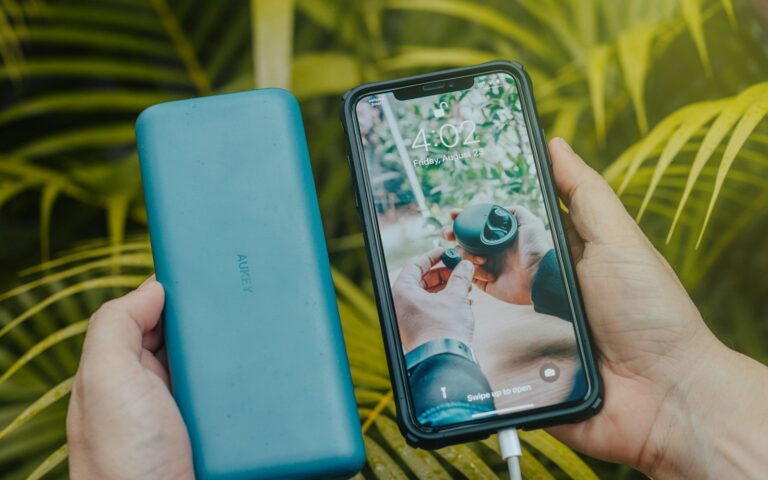
For a fridge or mains-powered appliance, a suitable station is more versatile. For phones alone, a USB-C power bank is cheaper and easier to carry.
Can a power station run central heating?
Do not assume so. Boiler controls, pumps and fixed wiring may require an electrician and manufacturer-approved arrangements.
How should I prepare for a longer outage?
Prioritise essential loads, keep other backup supplies ready and read our winter power cut guide. Call 105 in Great Britain to report electricity network outages; in Northern Ireland contact NIE Networks on 03457 643643.
Disclaimer
The information and product recommendations in this guide are based on Prepper Weekly’s understanding of portable power station technology, published product specifications and intended applications at the time of writing, rather than independent product testing.
Product specifications, features, prices and availability may change. Always check the latest manufacturer’s specifications, intended uses, appliance compatibility and safety instructions before purchasing or operating a portable power station.
The example runtimes and charging capacities provided are illustrative estimates only and should not be relied upon as guarantees of performance. Actual performance will depend on factors including power consumption, battery condition, operating conditions and energy conversion losses.
If you intend to use a portable power station to support essential medical equipment, seek advice from your healthcare professional and equipment supplier regarding suitability and approved backup power arrangements.
This guide is intended for general information purposes and is not a substitute for professional electrical, technical or medical advice.
Recommended products

Leatherman Rev Multi-Tool
Pliers, knife, screwdrivers and more in one pocket-sized tool. A dependable everyday carry and home emergency kit essential.
View on Amazon
Blukar Rechargeable LED Camping Lantern
Bright, rechargeable lantern that lights a whole room during a blackout and doubles up for camping. Can also charge your phone.
View on Amazon
Ledlenser H8R Rechargeable Head Torch
Bright 600-lumen rechargeable head torch that keeps your hands free during power cuts, night walks and emergencies.
View on AmazonWe may earn a small commission if you buy through these links, at no extra cost to you. Learn more