How to stay connected when the power and internet go down
This guide contains affiliate links. If you buy through them, Prepper Weekly may earn a small commission at no extra cost to you. Prices and availability change, so check the latest details before you buy.
Most of us rely on our mobile phones for almost everything, from contacting family and checking the weather to banking, shopping and finding our way around.
But what happens if a prolonged power cut affects your broadband, mobile signal and home telephone?
Although the UK’s communications infrastructure has resilience measures in place, outages can still occur, particularly during severe weather or major infrastructure failures.
The good news is that a few straightforward precautions can help you stay informed and maintain contact with others.
Will your mobile phone work during a power cut?
Possibly, but it isn’t guaranteed.
Mobile phones run on batteries, so the handset itself can continue operating during a power cut.
However, the mobile network relies on equipment that needs electricity. Some mobile masts have backup power, but this may be limited, particularly during a prolonged outage.
The UK Government’s power cut advice warns that mobile networks may stop working if local infrastructure is affected.
Even if your phone remains charged, you could lose access to calls, text messages and mobile data.
Our guide to preparing for a power cut in the UK explains the other practical steps households should take before and during an outage.
Keep a portable power bank ready
A power bank is one of the simplest ways to keep a mobile phone charged during an outage.
Choose one with sufficient capacity for your needs and make sure it supports your phone’s charging connection.
A 10,000mAh model is a useful starting point for many households, although the number of charges depends on the phone, battery condition and charging efficiency.
Larger models may be helpful during extended disruptions.
Keep the power bank charged and check it regularly.
Shop power banks: 10,000mAh USB-C power banks · 20,000mAh USB-C power banks
Could a portable power station help you stay connected?
If a power cut lasts longer than expected, a portable power station can provide additional charging capacity for your household’s communication devices.
For example, a Jackery portable power station could help keep mobile phones, tablets, laptops and compatible communication equipment charged when mains electricity is unavailable.
Some models can also power broadband routers, although this will only be useful if your internet provider’s network remains operational.
A portable power station may be particularly useful for larger households, where several people need to charge devices, or where someone relies on powered equipment.
Before buying, calculate the likely power requirements of your essential devices. Check both battery capacity and output compatibility, rather than assuming a larger or more expensive model will necessarily meet your needs.
Shop portable power: Jackery UK portable power stations and solar charging equipment · Jackery on Amazon
Prepper Weekly has also published a hands-on review of a Jackery portable power station and SolarSaga solar panel.
Remember that backup electricity cannot restore a failed mobile network or broadband service. It should form part of a wider emergency communication plan, not replace one.
Will your Wi-Fi work without electricity?
Usually not.
Most home broadband routers require mains electricity. If the power fails, the router normally stops working.
A compatible battery backup or uninterruptible power supply (UPS) may keep a router running temporarily.
However, this will only help if the broadband provider’s wider network remains operational.
For that reason, a backup battery should not be regarded as a guarantee of internet access.
Shop router backup: mini UPS devices for broadband routers (check voltage and connector compatibility with your router first).
What happens to digital landlines during a blackout?
Traditional copper-based landline services are being replaced with digital telephone services that use broadband connections.
Unlike some older corded telephones, digital landlines generally require electricity.
According to Ofcom’s guidance, providers must offer an appropriate free backup solution to customers who depend on their landline to contact emergency services and have no working mobile or reliable mobile signal.
The backup must provide at least one hour of emergency calling capability, although some providers offer longer.
If you rely on a landline, contact your provider before an outage to understand what arrangements are available.
You can also read our article about the digital landline switchover and emergency calls during power cuts.
Why an emergency radio is still useful
A radio can provide information when television, broadband and mobile services are unavailable.
A battery-powered or wind-up radio can receive broadcasts independently of your home internet connection.
Look for a model with FM reception, simple controls and a reliable power source.
Some emergency radios also include a torch and USB charging, although the charging output of small wind-up radios is often limited.
Shop radios: wind-up emergency radios · portable FM radios · spare rechargeable batteries
Our guide to the best emergency radios for UK households explains what to look for.
Can you still call 999 without your usual mobile signal?
In some circumstances, yes.
If your own network is unavailable, an emergency call may connect through another available mobile network.
However, this depends on there being a functioning network within range.
Do not assume emergency calls will work in every blackout.
If you cannot connect, move to a safe location where coverage may be better, if circumstances permit.
Keep essential information offline
Even a fully charged phone is less useful if important information is stored only in online accounts.
Consider keeping:
- Written telephone numbers for family members.
- Contact details for neighbours.
- Details of any essential medical services.
- Local emergency information.
- Paper copies of important instructions.
- Downloaded offline maps.
- A household emergency plan.
You should also know how to report a power cut.
In England, Scotland and Wales, call 105 to contact your electricity network operator. In Northern Ireland, the number is 03457 643643.
How to create a family emergency communication plan
A family emergency communication plan helps everyone know what to do if a power cut, severe weather or another disruption makes it difficult to contact each other.
It doesn’t need to be complicated, but it should cover more than simply agreeing to telephone one another.
1. Choose an emergency contact outside your area
Nominate a trusted relative or friend who lives some distance away.
If a local emergency disrupts communications, family members may be able to contact someone outside the affected area even when they cannot reach each other directly.
Make sure everyone has that person’s telephone number written down, rather than relying entirely on their mobile phone contacts.
2. Agree on two meeting places
Choose one meeting place close to home and another outside your immediate neighbourhood.
The first might be somewhere familiar that everyone can reach safely. The second could be a relative’s home or another suitable location if your street or neighbourhood becomes inaccessible.
Consider how each person would get there without public transport, mobile navigation or access to a car.
Never travel to a meeting point if doing so would put you at risk or conflict with official emergency instructions.
3. Establish a check-in routine
Agree when family members should attempt to make contact during a prolonged disruption.
For example, you might arrange to check in at 9am, 1pm and 6pm.
If telephone networks are congested, brief text messages may sometimes get through when voice calls are difficult. However, neither method is guaranteed to work during a major outage.
Keep messages short and useful. For example:
“I’m safe at home. No electricity. Have water and food. Will try again at 6pm.”
If someone misses a check-in, your plan should explain what happens next, including when another person should seek help.
4. Make arrangements for children
If children are at school or staying with relatives, make sure everyone understands who is responsible for collecting them during an emergency.
Keep copies of school emergency procedures and authorised collection arrangements.
Older children should know their home address, important telephone numbers and what to do if they cannot contact a parent or guardian.
For younger children, a small emergency contact card kept in their school bag may be useful.
5. Include older and vulnerable relatives
Some family members may need additional support during a prolonged power cut or communications failure.
Consider whether anyone relies on:
- Electrically powered medical equipment.
- Refrigerated medication.
- Digital landlines or personal alarms.
- Mobility equipment requiring charging.
- Regular carers or essential home visits.
Agree who will check on them, how frequently and what alternative arrangements are available.
Anyone who depends on electricity for medical equipment should discuss an individual emergency plan with their healthcare provider. Eligible households should also consider joining their electricity network operator’s Priority Services Register.
6. Plan for pets
Pets should be included in your household emergency arrangements.
Decide who will collect or care for them if you cannot return home.
Keep a written record of their veterinary practice, medication, microchip details and any special feeding requirements.
If you have to leave your home, make sure carriers, leads and essential supplies are readily accessible.
7. Keep important information on paper
Mobile phones are useful, but batteries can run flat and online information may become inaccessible.
Prepare a printed emergency contact sheet containing:
- Family members’ telephone numbers.
- Your nominated emergency contact.
- School and workplace contact details.
- GP and veterinary practice details.
- Important medical information where appropriate.
- Your agreed meeting places.
- Local emergency numbers.
Keep copies somewhere accessible and make sure everyone knows where to find them.
8. Agree what to do if nobody can be contacted
This is one of the most important parts of the plan.
Discuss what each person should do if calls, texts and internet messaging all fail.
For example, should they remain safely at their current location, return home if it is safe to do so, or follow a previously agreed alternative arrangement?
The answer will depend on individual circumstances, particularly for children and vulnerable relatives.
Make sure everyone understands that official safety instructions take priority over family arrangements.
9. Prepare supplies for an unexpected overnight stay
A communications failure may coincide with transport disruption, severe weather or a prolonged power cut.
If someone cannot return home, having access to basic food, drinking water, medication and warm clothing can make an unexpected overnight stay easier to manage.
Keep a small supply of ready-to-eat food at home and consider suitable emergency supplies for journeys. Our guide to building a 72-hour emergency kit without spending a fortune covers the essentials.
Specialist expedition meals may be useful where space is limited, but check whether they require heating or additional water.
Browse Base Camp Food ready-to-eat meals, compact emergency food packs and long-life supplies
These supplies should complement your communication arrangements, rather than replace the need for a clear family plan.
10. Practise your communication plan
An emergency plan is only useful if everyone understands it.
Review the arrangements every six months, particularly if telephone numbers, schools, workplaces or household circumstances change.
You could also practise a short exercise in which everyone considers what they would do without mobile phones or internet access.
Family emergency communication checklist
Before an emergency occurs, make sure you have:
- Nominated an emergency contact outside your area.
- Agreed on two safe meeting places.
- Established a check-in routine.
- Made arrangements for children and vulnerable relatives.
- Included pets in your emergency planning.
- Printed important contact information.
- Prepared backup charging equipment.
- Agreed what to do if all communications fail.
- Reviewed and practised the plan.
Taking the time to make these arrangements now can reduce confusion and help family members make sensible decisions if normal communications become unavailable.
Frequently asked questions
Can a mobile phone work without Wi-Fi?
Yes. It can use mobile data if the mobile network is functioning. Calls and texts may also work independently of Wi-Fi.
Will a power bank keep my internet working?
A power bank may power compatible equipment, but it cannot restore a broadband network that has failed.
Do wind-up radios need batteries?
Some contain rechargeable internal batteries, while others support replaceable batteries or multiple charging methods. Check the specifications before buying.
Will emergency calls work without my normal network?
They may connect through another available network, but coverage is not guaranteed.
How can families communicate during a blackout?
Families should agree on emergency contacts, scheduled check-ins and safe meeting places. Written telephone numbers, backup charging equipment and a plan for complete communication failure provide additional resilience.
What should you do if you cannot contact a family member during an emergency?
Follow your agreed family communication plan, consider whether they may be in an affected area and avoid unnecessary travel into unsafe conditions. If there is an immediate threat to life, contact emergency services.
Can a portable power station keep your phone working during a blackout?
A portable power station can recharge compatible mobile phones and other devices, but it cannot guarantee mobile signal or internet connectivity if communications infrastructure has failed.
Final thoughts
Staying connected during an emergency is about having alternatives.
A charged power bank, reliable radio and written contact details can make a significant difference when familiar communications services are disrupted.
A family communication plan provides another layer of reassurance, helping everyone understand what to do if they cannot reach one another.
You don’t need an expensive collection of gadgets. You need a few dependable options that you’ve checked in advance.
For further advice, see our existing guide to communications during crises and emergencies and our household emergency kit checklist.
Recommended products

Fireproof Document Bag
Keep passports, insurance papers, cash and USB backups together and protected from fire and water – grab it and go.
View on Amazon
British Standard First Aid Kit
A well-stocked, BS-compliant kit for home, car or workplace. Everything you need to deal with cuts, burns and sprains.
View on Amazon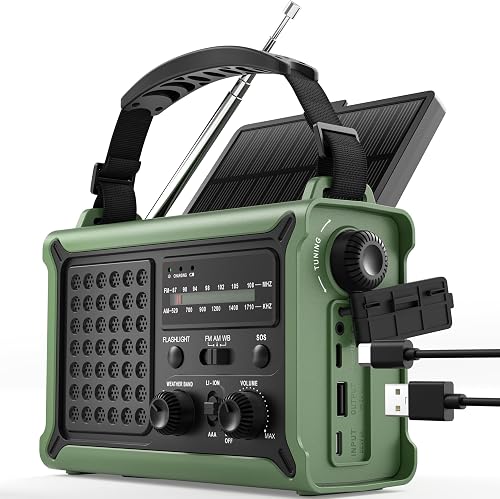
ROCAM Wind-Up Solar Emergency Radio
Hand-crank and solar powered radio with torch and phone charging, so you can hear official updates when the power and internet are down.
View on AmazonWe may earn a small commission if you buy through these links, at no extra cost to you. Learn more