What You Should Do In A Power Outage
This guide has moved. We’ve combined our power cut advice into one up-to-date guide: How To Prepare For A Power Cut In The UK.
A power outage can be a frustrating and potentially dangerous situation, especially if it lasts for an extended period. Here are some steps you can take to stay safe and comfortable during a power outage.
Stay informed: Try to find out why the power is out and how long it is expected to last. You can check the website or social media pages of your local utility company, listen to local news stations, or call your neighbours to see if they have any information.
Stay safe: If the power outage is due to a natural disaster, such as a storm or flooding, be cautious of any potential hazards, such as fallen power lines or broken gas lines. If you smell gas or suspect a gas leak, don’t use electrical switches or naked flames, open doors and windows, turn off the gas at the meter if you can, leave the property and call the National Gas Emergency Service on 0800 111 999. To report or check on a power cut, call 105.
Staying warm
If the power outage occurs during colder months, make sure you have enough blankets and warm clothing to stay warm. You can also use a fireplace, wood stove, or portable heater (if you have one) to help heat your home – but make sure you have a working carbon monoxide alarm, keep the room ventilated, and only ever use gas or paraffin heaters that are designed for indoor use. Never use a camping stove, BBQ or patio heater indoors to keep warm.
Here are some tips for staying warm during a power outage or other emergency:
- Stay inside: If possible, stay inside your home or other warm, sheltered location. This will help to reduce your exposure to the cold.
- Dress in layers: Wear several layers of lightweight, warm clothing, rather than one bulky layer. Layers trap heat and help to keep you warm.
- Cover your head and hands: Wear a hat, gloves, or mittens to help keep your head and hands warm. These areas of your body are particularly susceptible to losing heat.
- Use blankets and sleeping bags: Keep blankets and sleeping bags on hand to help keep you warm. You can use them to wrap yourself up or create a makeshift bed.
- Use a fireplace or wood stove: If you have a fireplace or wood stove, you can use it to help heat your home. Just be sure to follow proper safety guidelines and have a way to extinguish any fires.
- Close off unoccupied rooms: To conserve heat, close off any unoccupied rooms and seal any drafts around windows and doors.
- Stay active: Try to stay active by moving around, doing light exercise, or participating in activities that generate heat, such as cooking or washing dishes.
- Stay hydrated: It’s important to stay hydrated, even in cold weather.
- Seek help if necessary: If you are unable to stay warm or if you are experiencing any symptoms of hypothermia (such as shivering, confusion, or fatigue), seek medical help immediately.
Further reading: Staying Warm, Cooking Food And Boiling Water Without Electricity
Staying cool
Stay cool: If the power outage occurs during hotter months, try to stay in a cool place and use fans or other cooling methods to stay comfortable. You can also take cool baths or showers to help lower your body temperature.
Use your phone wisely: If you have a smartphone, you can use it as a flashlight or a source of entertainment. However, be sure to conserve battery life in case you need to use it for emergency communication later. (Invest in a portable power bank, too)
Unplug electronics: To protect your electronics from power surges when the power comes back on, unplug them, or turn off their circuit breaker.
Keep your fridge and freezer closed: To keep your food from spoiling, try to minimize the amount of time you spend opening your fridge and freezer. If the power is out for an extended period, you may need to discard perishable food.
Stay in touch: If the power outage lasts for an extended period, you may want to stay with friends or family who have electricity. You can also use a satellite phone or two-way radio to stay in touch with loved ones.
Have a backup plan
Consider having a backup plan in place in case of future power outages. This might include purchasing a generator, investing in backup power sources, or keeping an emergency supply kit on hand.
There are several options for backup power sources that you can consider if you want to have a way to generate electricity during a power outage:
- Generator: A generator converts fuel (such as petrol, diesel or LPG) into electricity. You can buy portable generators or standby generators, which are larger units permanently installed outside your home. Never run a generator indoors, in a garage, or near doors and windows – the exhaust contains deadly carbon monoxide. Never plug a generator into your home’s wiring yourself: it must be connected by a qualified electrician using a proper changeover switch, or it can feed power back into the grid and endanger engineers. Store fuel safely in approved containers.
- Solar panel system: A solar panel system uses photovoltaic panels to convert sunlight into electricity. You can purchase a portable solar panel kit or have a permanent system installed on your home.
- Battery backup system: A battery backup system stores electricity in batteries, which can be used to power your home during an outage. You can purchase a small, portable battery backup system or a larger, whole-home system.
- Wind turbine: A wind turbine generates electricity using the wind. You can purchase a small, portable wind turbine or have a larger, permanent system installed on your property.
- Hydroelectric system: A hydroelectric system generates electricity using the flow of water. You can purchase a small, portable hydroelectric system or have a larger, permanent system installed on your property (if you have access to a water source).
Further reading: Solar power banks and emergency supply options for preppers and those living off-grid and Emergency Power Sources.
It’s important to consider the size of your home, your power needs, and your budget when deciding which backup power source is right for you. You may also want to consider factors such as the availability of fuel, maintenance requirements, and any necessary permits or approvals.
Stay calm: It can be easy to become frustrated or anxious during a power outage but try to stay calm and stay positive. Remember that the power will likely be restored eventually and taking care of yourself, and your loved ones is the most important thing.
Summary
When the power goes out, stay safe, stay informed (call 105 to report or check on a power cut), keep warm without putting yourself at risk of carbon monoxide poisoning, protect your food, and keep calm. Planning ahead – with torches, a supply kit and, if it suits you, a safely installed backup power source – will make any future power cut much easier to cope with.
About The Author

Article by the Prepper Weekly editor. Prepper Weekly covers practical, UK-focused preparedness – from emergency planning, power cuts and flooding to food, water, kit and outdoor skills – without the fear-mongering. Find out more about Prepper Weekly.
Recommended products

Fireproof Document Bag
Keep passports, insurance papers, cash and USB backups together and protected from fire and water – grab it and go.
View on Amazon
British Standard First Aid Kit
A well-stocked, BS-compliant kit for home, car or workplace. Everything you need to deal with cuts, burns and sprains.
View on Amazon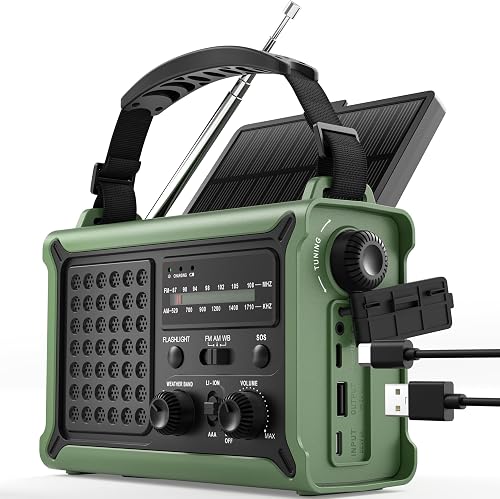
ROCAM Wind-Up Solar Emergency Radio
Hand-crank and solar powered radio with torch and phone charging, so you can hear official updates when the power and internet are down.
View on AmazonWe may earn a small commission if you buy through these links, at no extra cost to you. Learn more