UK Black Sky emergency plans revealed: BBC prepares for nationwide power blackout
The BBC has revealed details of its emergency broadcasting plans for a so-called Black Sky event, as the Government urges UK households to prepare for up to 72 hours without essential services, including electricity, water and communications.
The plans, reported on 7 November 2026, involve an emergency radio operation designed to continue broadcasting even if conventional communications systems fail.
According to BBC correspondent David Sillito’s report, the broadcaster has contingency arrangements involving around 100 personnel, independent communications and sufficient supplies of food, water and fuel to operate for at least three days without resupply.
The revelations follow the Government’s recently launched Be Ready campaign, which encourages households to make practical preparations for emergencies.
However, the Government has stressed that there is no specific threat to Britain’s electricity grid. The plans are precautionary rather than a warning that a national blackout is imminent.
What is a Black Sky event?
A Black Sky event describes a severe, widespread and prolonged electricity failure that causes disruption to other essential services.
Unlike an ordinary power cut affecting a neighbourhood or town, a Black Sky event could affect multiple regions simultaneously, potentially disrupting:
- Mobile phone networks, broadband and internet services.
- Water treatment, pumping and sewage systems.
- Supermarkets, food distribution and refrigeration.
- Petrol stations and fuel supplies.
- Banking, cash machines and electronic payments.
- Public transport, traffic signals and other infrastructure.
The consequences could become increasingly serious if electricity supplies could not be restored quickly.
As highlighted in recent reporting on Britain’s Black Sky preparations, the interconnected nature of modern infrastructure means that losing electricity can trigger a series of additional failures.
For example, even a fully charged mobile phone may become useless if nearby mobile masts lose power. Similarly, water supplies may be interrupted if electrically powered pumping stations stop working.
BBC prepares emergency radio broadcasts
One of the most significant revelations last week concerned the BBC’s arrangements for maintaining communications during a national emergency.
The broadcaster has developed an emergency radio operation capable of functioning independently of the internet, supported by generators, satellite communications and other contingency arrangements.
According to reports published on 7 November, emergency broadcasts would provide vital public information, including advice about drinking water, food safety and sanitation.
FM radio has an important advantage during a major electricity failure. Unlike internet streaming or mobile applications, a battery-powered receiver does not require a household broadband connection or functioning mobile network.
The broadcasting infrastructure would still need electricity, but backup generators could allow transmissions to continue.
For households, a battery-powered or wind-up emergency FM radio could therefore be one of the most useful items to keep available.
A wind-up model has the additional advantage of being usable without replacement batteries, although households should check that their chosen radio receives FM broadcasts and test it regularly.
Emergency plans include what to do if toilets stop flushing
The scale of Britain’s contingency planning becomes clearer when examining the Government’s published emergency public health advice.
Prepared by the UK’s four Chief Medical Officers, the guidance considers what could happen if electricity failures disrupted water supplies, sanitation and refrigeration.
The official water and sanitation guidance includes advice intended for broadcast during a national power outage.
It addresses situations where households may lose access to running water or where normal sewage systems are no longer functioning.
This could present particular difficulties for households with young children, older residents or people with additional care needs.
For those considering how they would manage during an extended water outage, portable camping toilets and emergency sanitation supplies may offer a practical backup, provided waste can be stored and disposed of hygienically.
These arrangements are intended for exceptional circumstances and do not suggest that widespread sanitation failures are expected.
Cyberattacks and extreme weather among potential threats
A Black Sky event could arise from several causes, including severe storms, flooding, major equipment failures or cyberattacks targeting critical infrastructure.
The concern is not simply that electricity might be unavailable, but that restoring essential services could become more complicated if several interconnected systems were affected.
For example, a major cyber incident affecting electricity distribution could also disrupt telecommunications, banking and transport.
Extreme weather presents a different risk. Flooding can damage substations and other electrical infrastructure, potentially leaving communities without power for prolonged periods.
The Government’s Be Ready campaign specifically recognises that severe weather can interrupt electricity, water, phone and internet services.
The campaign is designed to improve preparedness for a wide range of emergencies rather than any single threat.
Lancaster blackout demonstrates how quickly disruption can spread
Britain has already experienced smaller-scale incidents illustrating the consequences of widespread electricity failure.
On 5 December 2015, flooding of the River Lune in Lancaster damaged electrical infrastructure and left approximately 61,500 people without power.
The consequences extended well beyond homes losing electricity.
Shops and petrol stations closed, cash machines stopped working, traffic lights failed and some water supplies were disrupted.
Mobile communications were also affected, leaving residents struggling to obtain information.
As detailed in the BBC’s November 2026 investigation, local commercial radio station The Bay continued broadcasting using an emergency generator and a functioning landline.
The incident demonstrated the importance of maintaining reliable communications when other services fail.
It also highlighted how quickly a relatively localised electricity failure can affect everyday life.
Government encourages households to prepare for 72 hours
On 22 October 2026, the Cabinet Office launched its updated Be Ready campaign, encouraging households to prepare for three days of disruption to essential services.
The initiative aims to improve public resilience by helping people take relatively simple, affordable precautions.
According to the Government’s official announcement, the campaign will run over three years and includes advice on preparing emergency supplies, making household plans and identifying people who may need additional support.
The British Red Cross has also explained the importance of preparing for 72 hours, emphasising that households do not need to spend large amounts of money or begin stockpiling unnecessarily.
Instead, the recommendation is to keep a modest supply of essentials and consider how household members would cope if normal services were unavailable.
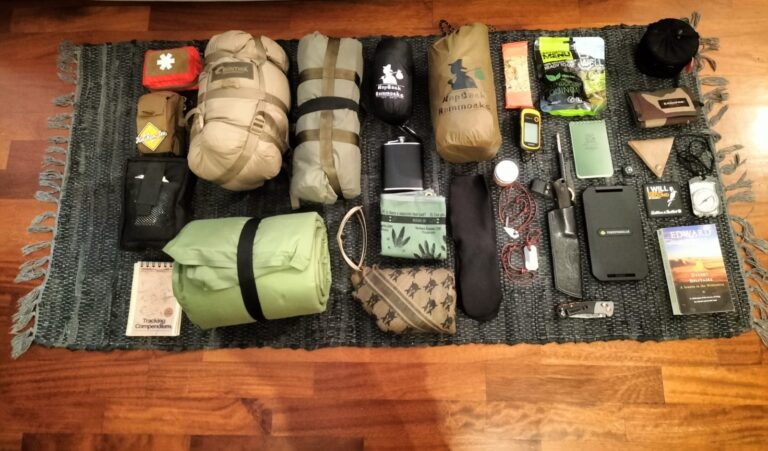
A 72-hour emergency survival kit can provide a convenient starting point, although households can also assemble their own supplies using everyday products.
How can households prepare for a Black Sky event?
Although a nationwide blackout is considered unlikely, many of the preparations recommended for such an event are equally useful during ordinary power cuts, flooding or severe weather.
A sensible starting point is to consider how a household would manage without electricity, running water or internet access for three days.
Emergency food supplies
Food that can be eaten without cooking is particularly useful during a power outage.
Tinned meals, cereal bars, crackers, dried fruit and other non-perishable products can provide a practical emergency supply.
For households wanting longer-term food storage, specialist freeze-dried and dehydrated products are another option.
Base Camp Food emergency food supplies include expedition meals and products suitable for emergency preparedness.
Another option is ReadyWise long-life emergency food kits, which are designed for extended storage and include a range of breakfasts and main meals.
Some ReadyWise products offer advertised shelf lives of up to 25 years when stored correctly, although households should always check individual product specifications, calorie content and preparation instructions.
It is also worth remembering that many freeze-dried meals require additional water and sometimes heating.
A suitable emergency food supply should therefore include some products that can be eaten without cooking.
Emergency drinking water
Water storage is equally important.
Households should consider how much water they would need for drinking, food preparation, basic hygiene and pets if the mains supply became unavailable.
Keeping bottled water is a straightforward starting point.
For additional preparedness, emergency water storage containers and portable water filtration systems may be useful.
However, not all filtration products remove viruses or chemical contaminants. Any equipment should be selected according to the water source and the manufacturer’s treatment specifications.
Water intended for drinking must be safe, and households should follow official instructions if a contamination or boil-water notice is issued.
Emergency lighting and power
A prolonged blackout could leave households without lighting, heating or the ability to recharge mobile phones.
A rechargeable LED torch or battery-powered emergency lantern can provide safer illumination than candles, particularly in households with children or pets.
A portable power bank may also allow mobile phones and other small devices to be recharged, although communications networks may themselves be affected.
For longer interruptions, some households may consider a portable power station, which can provide limited backup electricity for suitable appliances.
The capacity, output and battery runtime should be checked carefully before purchasing.
Generators, barbecues and camping stoves must never be used indoors or in enclosed spaces because of the risk of carbon monoxide poisoning.
Emergency communications
During a major power outage, conventional communication methods may become unreliable.
Keeping a wind-up or battery-powered FM emergency radio provides an alternative way of receiving public information.
Households should also keep important telephone numbers written down and consider how they would contact relatives or neighbours if mobile networks were unavailable.
Those who may need additional assistance during a power cut should check whether they qualify for the Priority Services Register.
Sanitation and hygiene
An extended interruption to water supplies could make washing, cleaning and toilet use more difficult.
Basic preparations might include keeping hand sanitiser, wet wipes, bin bags, toilet paper and suitable cleaning products available.
Households particularly concerned about prolonged disruption could also consider portable emergency toilets and sanitation kits.
Any temporary sanitation arrangements should follow official public health advice, especially where sewage systems are affected.
Does Britain face an imminent Black Sky event?
There is currently no official indication that a nationwide electricity failure is imminent.
The BBC’s emergency broadcasting arrangements and the Government’s preparedness campaign reflect contingency planning for serious but unlikely events.
The distinction is important. Preparing for a major disruption does not mean authorities expect it to happen.
However, recent extreme weather events and growing dependence on digital infrastructure demonstrate why maintaining essential services is an important part of national resilience.
The BBC’s emergency radio arrangements provide one means of keeping the public informed if conventional communications fail.
For households, the message is comparatively straightforward: a little preparation now could make a significant difference during an unexpected emergency.
Whether the disruption lasts a few hours or several days, having food, water, lighting, essential medication and a reliable source of information is a sensible precaution rather than a reason for alarm.
Further reading and useful resources
- BBC: What happens if all the lights go out? The plan for a Black Sky event — 7–8 November 2026.
- BBC Black Sky emergency broadcasting arrangements — 7 November 2026.
- UK Government: Households encouraged to prepare for emergencies — 22 October 2026.
- British Red Cross: Why prepare for 72 hours? — updated 30 October 2026.
- UK Government: Emergency water and sanitation advice.
- Priority Services Register — support for eligible households during utility interruptions.
Disclaimer
This article is provided for general information and emergency preparedness purposes only. It does not constitute official emergency, medical or public health advice.
The Black Sky scenarios discussed are contingency planning examples and should not be interpreted as evidence of an imminent national emergency.
Readers should follow current advice from the UK Government, emergency services, local authorities and relevant utility providers during an actual incident.
Product information, including advertised shelf lives and capabilities, should be checked with the relevant manufacturer or retailer before purchase.
Affiliate disclosure: This article may contain affiliate links. If you purchase through these links, Prepper Weekly may receive a commission at no additional cost to you.
Recommended products

Oasis Water Purification Tablets (100 Pack)
One tablet treats a litre of water. Small, light and long-lasting backup for when the taps stop or you are on the move.
View on Amazon
Ledlenser H8R Rechargeable Head Torch
Bright 600-lumen rechargeable head torch that keeps your hands free during power cuts, night walks and emergencies.
View on Amazon
Magnesium Ferro Rod Fire Starter
Throws hot sparks in any weather for thousands of strikes. Learn to light a fire without matches or a lighter.
View on AmazonWe may earn a small commission if you buy through these links, at no extra cost to you. Learn more