What Should Be In A UK Household Emergency Kit? (Plus Our 101-Item Checklist)

This guide contains affiliate links. If you buy through them, Prepper Weekly may earn a small commission at no extra cost to you. Prices and availability change, so check the latest details before you buy.
A household emergency kit is simply a box or bag of supplies that will get everyone at home through the first few days of a power cut, flood, water supply failure or severe weather – without needing to go out to the shops. The UK government’s Prepare campaign encourages every household to keep some basic emergency supplies, and it doesn’t need to be expensive.
Below is our core kit for a typical UK home, followed by our full 101-item checklist for anyone who wants to go further.
The core UK household emergency kit
Aim for enough to last everyone in your home – including pets – for at least three days.
Water
- Bottled drinking water – at least three days’ supply, and allow around 3 litres per person per day for drinking and basic cooking (see how much emergency water to store)
- Water purification tablets as a back-up
Food
- Tinned and dried food that can be eaten cold or needs little cooking – see emergency food supplies on a budget
- A manual tin opener
- Baby food, formula and pet food if needed
Light and power
- A battery or wind-up LED torch for each adult, plus spare batteries
- A rechargeable LED lantern
- A charged power bank and charging cables – see the best power banks for emergency use
Information
- A battery or wind-up radio – see the best emergency radios for UK households
- A paper list of important numbers, including 105 (power cuts) and 0800 111 999 (gas emergencies) – our free household emergency plan template has space for these
- Copies of important documents in a waterproof bag
First aid and hygiene
- A well-stocked first aid kit
- At least a week’s supply of any prescription medicines (talk to your GP or pharmacist)
- Hand sanitiser, wet wipes, toilet roll and bin bags
Warmth
- Blankets or sleeping bags
- Warm layers, hats and gloves
- Foil emergency blankets
Other useful items
- A whistle to attract attention
- Cash in small notes (card machines may not work)
- Spare house and car keys
- A multi-tool
- Duct tape
Our recommended kit
A good first aid kit
Best for: every home
A comprehensive home first aid kit with plasters, dressings, bandages, gloves and a foil blanket covers most minor injuries. Check it every six months and replace anything used or out of date.
Check the latest price on Amazon
Kaito KA500 emergency radio
Best for: keeping up with the news when the power and phone networks are down
Wind-up, solar, battery and USB powered, with a built-in torch and reading lamp. Note that its NOAA weather band is for the US only – FM and AM work normally in the UK.
Check the latest price on Amazon
Anker 20,000mAh power bank
Best for: keeping phones charged for several days
Enough to charge most smartphones four or five times, with a display showing how much charge is left.
Check the latest price on Amazon
Rechargeable LED lantern
Best for: lighting a whole room safely
Much safer than candles, and bright enough to cook, read or play cards by. Keep it charged.
Check the latest price on Amazon
Water purification tablets
Best for: a back-up if your water supply fails
Lightweight and long-lasting. Use them if you have to rely on tap water that has been declared unsafe or on stored water you aren’t sure about.
Check the latest price on Amazon
Waterproof document bag
Best for: keeping copies of passports, insurance details and contacts safe
A simple A4 waterproof pouch keeps your paperwork dry if you have to leave home quickly – for example in a flood.
Check the latest price on Amazon
Where to keep your kit
Store your kit in one place that everyone knows about – a large plastic box under the stairs or in a hall cupboard works well. Keep a torch by each bed as well. If you live in a flat, see our guide to emergency preparedness for people living in flats for space-saving ideas.
Check your kit twice a year
Set a reminder (for example when the clocks change) to check batteries, rotate food and water before they go out of date, replace used first aid supplies and recharge power banks.
Want more? Our other kit guides cover bug out bags, the 10 kits every prepper needs and the prepper’s list for the UK.
Our full 101-item prepper checklist
If you want to go beyond the basics, here is our complete checklist.
Food storage
- Long-life milk
- Canned vegetables
- Dried fruit
- Tinned fish such as tuna, mackerel, and salmon
- Rice
- Pasta
- Baked beans
- Cereal
- Nuts and seeds
- Flour
- Sugar
- Tinned soups
- Tea bags
- Coffee
- Biscuits
- Oil
- Vinegar
- Salt
- Powdered milk
- Powdered soup mix
- Powdered eggs
- Powdered cheese
- Dehydrated vegetables
- Freeze-dried fruit
- Freeze-dried meals
- Long-life juices
- Jam
- Marmalade
- Honey
- Chocolate
- Dried herbs and spices
- Baking powder
- Yeast
- Baking soda
- Soy sauce
- Stock cubes
- Dried lentils
- Dried beans
- Dried split peas
- Oats
Other basics
- Emergency contact list
- Emergency cash
- Water
- Water Storage Containers
- Water Filtration System
- Water Purification Tablets
- Rainwater Collection Systems
- Canteens Or Hydration Packs
- Portable Water Purification Systems
- Waterproof Food Containers
- Waterproof Pocket Radio
- Fire Starter
- Waterproof Matches
- Candles (never leave them unattended – LED lanterns are safer)
- Torches
- Headlights
- Batteries
- Solar chargers/power banks
First aid and toiletries
- First Aid Kit – to include Bandages (various sizes)
- Hand Sanitiser
- Disposable Gloves
- Gauze Pads
- Tape
- Antiseptic Wipes
- Antiseptic Cream
- Cotton Swabs
- Safety Pins
- Scissors
- Tweezers
- Eye Wash
- Instant Cold Packs
- Splints
- Medical Adhesive
- Sterile Saline Solution
- Triangular Bandages
- Alcohol Pads
- Disposable Face Masks
- Sterile Gloves
- CPR Face Shield
- Sunscreen
- Bug repellent
- Medication
- Toilet rolls
- Basic toiletries
- Pet food and supplies and any of their medication
Tools, kits and clothing
- Multi-Tool
- Portable Stove
- Cooking Utensils
- Emergency Blankets
- Camping Tent
- Sleeping Bags
- Portable Generator (never run it indoors, in a garage or near windows – carbon monoxide kills – and only connect it to your home’s wiring via a changeover switch fitted by an electrician)
- Extra Clothing – underwear etc
- Waterproof Clothing: Raincoat, Waterproof Jacket, Waterproof Boots, Rain Trousers, Waterproof Trousers
- Thermal Clothing: Thermal Base Layer, Thermal Mid Layer, Thermal Fleece, Thermal Gloves, Thermal Hat
- Durable Clothing: Hiking Trousers, Cargo Trousers, Quick Dry Shirts, Hiking Boots, Fleece Jacket
- Footwear: Hiking Boots, Walking Shoes, Wellingtons, Gaiters
- Paracord
- Whistle
- Binoculars
- Maps and Compass
About The Author

Article by the Prepper Weekly editor. Prepper Weekly covers practical, UK-focused preparedness – from emergency planning, power cuts and flooding to food, water, kit and outdoor skills – without the fear-mongering. Find out more about Prepper Weekly.
Recommended products

Fireproof Document Bag
Keep passports, insurance papers, cash and USB backups together and protected from fire and water – grab it and go.
View on Amazon
British Standard First Aid Kit
A well-stocked, BS-compliant kit for home, car or workplace. Everything you need to deal with cuts, burns and sprains.
View on Amazon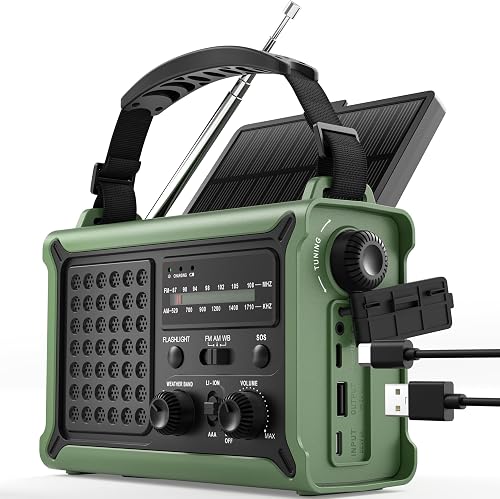
ROCAM Wind-Up Solar Emergency Radio
Hand-crank and solar powered radio with torch and phone charging, so you can hear official updates when the power and internet are down.
View on AmazonWe may earn a small commission if you buy through these links, at no extra cost to you. Learn more