How to prepare your pets for a 72-hour emergency
This guide contains affiliate links. If you buy through them, Prepper Weekly may earn a small commission at no extra cost to you. Prices and availability change, so check the latest details before you buy.
When preparing for a power cut, flooding or another household emergency, it’s easy to concentrate on what the people in your home might need. But what about your pets?
Cats, dogs, rabbits, guinea pigs and other companion animals depend on us for food, water, medication and somewhere safe to shelter. If your household routines are suddenly disrupted, they may need additional care and reassurance.
Fortunately, preparing your pets for an emergency doesn’t require expensive equipment or a cupboard full of specialist products.
The UK Government’s Be Ready campaign recommends including pet food and water in household emergency supplies. A little advance planning can help ensure your animals aren’t overlooked when something unexpected happens.
What should a 72-hour pet emergency kit contain?
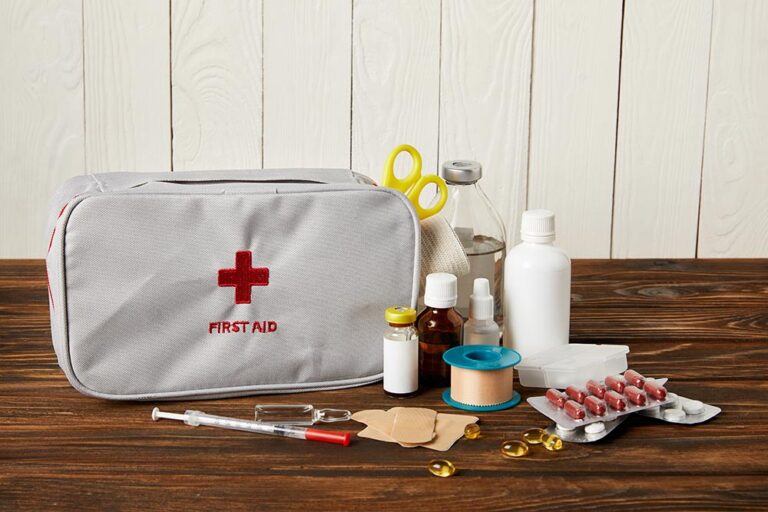
A pet emergency kit should contain enough essential supplies to care for your animals for at least three days, alongside anything needed for their particular health or dietary requirements.
Consider including:
- Three days’ worth of their usual food, with a little extra where practical.
- A supply of clean drinking water.
- Food and water bowls, preferably lightweight and easy to transport.
- Any essential medication, together with veterinary instructions.
- A secure carrier or suitable lead and harness.
- Waste bags, cat litter or other appropriate cleaning supplies.
- Familiar bedding, a small blanket or favourite toy.
- Copies of vaccination records, identification details and veterinary contact numbers.
You may already have most of these items. Rather than buying everything again, consider keeping a small reserve of the products your pets normally use and replacing them as part of your regular shopping.
For wider household preparation, our 72-hour emergency kit guide explains how to build up essential supplies without unnecessary expense.
Why familiar food matters during an emergency
An emergency is not an ideal time to introduce unfamiliar food.
Animals may already be unsettled by unusual noises, visitors, disrupted routines or a change of surroundings. Maintaining their normal feeding arrangements can help preserve some familiarity.
This is particularly important for pets receiving veterinary diets or managing ongoing medical conditions.
Keep a small reserve of their usual food, check expiry dates and rotate supplies regularly. If your pet requires refrigerated medication or specialist food storage, ask your vet how to manage a temporary loss of electricity.
For cats, remember to include litter and a suitable tray. Small animals may need hay, bedding and species-appropriate food, while dogs will need suitable arrangements for exercise and toileting.
Prepare for the possibility of evacuation
Although most household emergencies can be managed at home, flooding, fire or other serious incidents may require you to leave.
Birmingham City Council’s emergency planning advice recommends taking essential pet supplies when evacuating.
Before an emergency occurs, consider where you could stay with your animals. Friends or relatives may be able to help, but it’s worth checking whether they can accommodate your pets.
If you might need commercial accommodation, identify pet-friendly options in advance.
Keep carriers accessible rather than hidden away in a loft or garage. Cats and small animals should travel in secure, appropriate carriers, while dogs need suitable restraint.
If emergency services instruct you to evacuate, follow their directions. Don’t put yourself in danger trying to retrieve an animal.
Make sure your pets can be identified
A frightened animal may escape from an unfamiliar environment or become separated from its owner.
Check that your pet’s microchip details are current and that the registered contact information is correct.
In England, pet cats must generally be microchipped by 20 weeks of age, while dogs are subject to separate compulsory microchipping requirements.
Keep a recent photograph of each animal, together with its microchip number and any important identifying features.
A printed copy can be useful if your phone becomes unavailable or runs out of battery.
What about pets that need regular medication?
Some animals need daily medication or ongoing veterinary care. Their emergency arrangements may require more thought.
Ask your vet whether it’s appropriate to maintain a small reserve of prescribed medication, how it should be stored and what to do if you cannot reach your usual practice.
Don’t change a prescribed dose or substitute another medicine without veterinary advice.
It’s also sensible to keep the details of an alternative veterinary practice or emergency veterinary service.
Help your pets feel secure
Preparedness isn’t simply about equipment.
Pets may react differently to disruption. Some dogs become distressed by storms, while cats may hide when unfamiliar people enter the home.
Keeping familiar bedding, maintaining feeding times where possible and providing a quiet, secure space can help.
If your pet is particularly anxious, discuss suitable strategies with your vet before an emergency occurs.
A little preparation goes a long way
You don’t need a specialist pet survival kit to be prepared.
A few extra supplies, an accessible carrier, current identification details and a simple evacuation plan can make a considerable difference.
The aim is not to anticipate every possible emergency. It’s to make sure that, if everyday life is interrupted for a few days, the animals who depend on you have what they need.
For a broader list of household essentials, see our UK emergency kit checklist.
Further information
- UK Government: Be Ready for Emergencies
- Birmingham City Council: Emergency evacuation advice
- Highland Council: Pets and animals in an emergency
Recommended products

Fireproof Document Bag
Keep passports, insurance papers, cash and USB backups together and protected from fire and water – grab it and go.
View on Amazon
British Standard First Aid Kit
A well-stocked, BS-compliant kit for home, car or workplace. Everything you need to deal with cuts, burns and sprains.
View on Amazon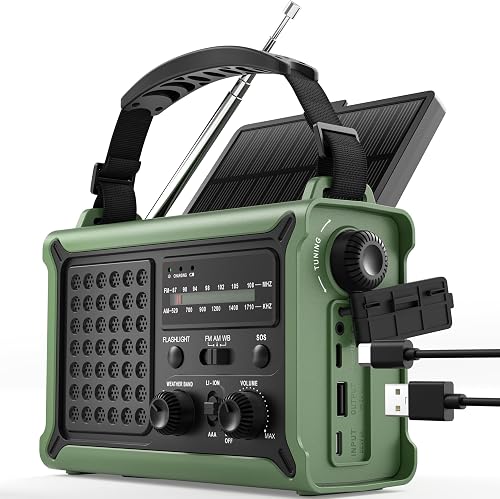
ROCAM Wind-Up Solar Emergency Radio
Hand-crank and solar powered radio with torch and phone charging, so you can hear official updates when the power and internet are down.
View on AmazonWe may earn a small commission if you buy through these links, at no extra cost to you. Learn more