Cold-weather alerts issued as parts of the UK face ice and frost
Cold-weather warnings issued over the weekend have highlighted the importance of preparing homes and journeys for winter conditions.
On Sunday 15 November, yellow cold-health alerts were announced for north-west England, north-east England, and Yorkshire and the Humber. The Met Office also issued an ice warning covering central and eastern Scotland.
The warnings concern the potential effects of low temperatures and icy conditions, particularly for vulnerable residents and people travelling. They do not indicate a nationwide emergency.
Where are the cold-weather alerts in force?
According to reporting published on 15 November, the UK Health Security Agency’s yellow cold-health alerts began at 9pm on Sunday and were scheduled to continue until Thursday morning.
The Met Office’s yellow ice warning for central and eastern Scotland covered Sunday evening through Monday morning.
The cold spell was associated with northerly winds and seasonal conditions, with further frost and some hill snow possible.
Because weather warnings can change, readers should consult the latest official Met Office warnings rather than rely on an article published earlier in the week.
What does a yellow cold-health alert mean?
A yellow cold-health alert indicates that cold conditions may have some impact on health and social care services and increase risks for vulnerable people.
Older residents, people with certain existing health conditions and those who struggle to heat their homes may need additional support.
A cold-health alert is different from a Met Office warning for ice, snow or wind. One focuses on potential health impacts; the other highlights weather hazards and their possible consequences. You can read more about the UKHSA weather-health alerting system.
How should households prepare for freezing weather?
A few checks can make winter disruption easier to manage.
Ensure that your heating is working properly and that frequently used rooms can be kept comfortably warm. Check insulation around exposed pipes and know where the main water stopcock is located.
Keep torches, charged power banks and warm clothing somewhere accessible. If your area is prone to electricity interruptions, consider how you would stay warm and obtain information without mains power – our guide to staying connected when the power goes down can help.
Prepper Weekly has a practical guide to staying warm during a winter power cut, and our blackout preparation guide covers the essentials for longer outages.
Never use barbecues, camping stoves or outdoor generators inside a home, garage or enclosed space. They can produce dangerous carbon monoxide.
What about travel and neighbours?
Icy pavements and untreated roads can make even short journeys hazardous.
Check the forecast before travelling, allow extra time and consider whether non-essential journeys can be postponed during particularly difficult conditions.
It’s also worth checking on neighbours or relatives who may be affected by the cold, especially those living alone.
For households, the aim is not to prepare for the worst imaginable winter. It is to make ordinary cold-weather disruptions safer and less stressful – and a simple household emergency plan is a good place to start.
Sources
- The Guardian – Cold and health alerts issued for Scotland and northern England
- Met Office – latest weather warnings
- UKHSA – weather-health alerting system
Recommended products
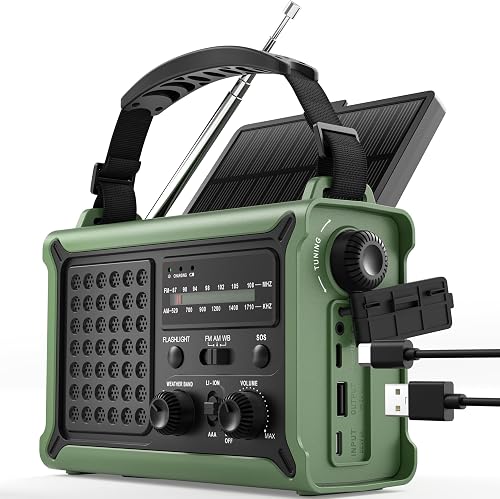
ROCAM Wind-Up Solar Emergency Radio
Hand-crank and solar powered radio with torch and phone charging, so you can hear official updates when the power and internet are down.
View on Amazon
Bonsenkitchen Vacuum Sealer Machine
Vacuum-seal dried foods and bulk buys to keep them fresher for longer and save space in your food store.
View on Amazon
British Standard First Aid Kit
A well-stocked, BS-compliant kit for home, car or workplace. Everything you need to deal with cuts, burns and sprains.
View on AmazonWe may earn a small commission if you buy through these links, at no extra cost to you. Learn more