Can you safely use a log burner during a power cut?
This guide contains affiliate links. If you buy through them, Prepper Weekly may earn a small commission at no extra cost to you. Prices and availability change, so check the latest details before you buy.
A log burner can provide valuable warmth during a power cut, but whether it is safe to use depends on the type of stove, its installation and whether it relies on electricity.
Many conventional wood-burning stoves operate without mains electricity, making them a potential source of emergency heating when gas central heating or electric heaters are unavailable.
However, not every installation is suitable for use during an outage. Some appliances incorporate electrically powered fans, pumps or other components that may be essential to safe operation.
Before relying on a log burner for emergency heating, check the manufacturer’s instructions and ask a qualified stove professional if you are uncertain.
Will a wood-burning stove work without electricity?
A conventional, properly installed wood-burning stove may continue to operate during a power cut because combustion and natural chimney draught do not necessarily require electricity.
However, the distinction between a simple room heater and a stove connected to other heating equipment is important.
Some systems use electric pumps to circulate heated water, while others have powered flue arrangements or additional controls.
If electricity is essential to the safe operation of your particular installation, you should not assume the stove can be used during an outage.
The Health and Safety Executive warns that solid-fuel appliances with boiler components can present serious safety risks when their water-circulation arrangements are unsuitable.
Check with your installer before a power cut occurs, rather than discovering a potential problem when you need heating.
Carbon monoxide safety is essential
Carbon monoxide is a poisonous gas that cannot be seen, smelled or tasted.
It can be produced when wood or other fuels burn under unsuitable conditions, including where combustion or ventilation is inadequate.
HETAS, the organisation responsible for the registration of competent solid-fuel heating installers in England and Wales, recommends regular appliance servicing, chimney sweeping, suitable fuel and an audible carbon monoxide alarm.
A carbon monoxide alarm complying with BS EN 50291 should be fitted in the room containing the stove, in accordance with the relevant installation requirements.
Check that the alarm is working and that its battery or backup power will continue operating during an electricity failure.
If the alarm sounds, leave the building and seek fresh air. Follow the alarm manufacturer’s emergency instructions, obtain medical assistance if anyone may have been exposed and do not use the stove again until it has been professionally checked.
Make sure the chimney and stove are maintained
A log burner should be properly maintained whether or not you intend to use it during an emergency.
HETAS recommends regular chimney sweeping and appliance servicing to reduce the risk of chimney fires and dangerous fumes entering the home.
The frequency of sweeping depends on the fuel, appliance and intensity of use.
For wood-burning appliances, HETAS advises having the chimney swept at least twice a year, with more frequent attention potentially necessary for heavier use.
If your stove has not been used for some time, arrange a professional inspection before lighting it.
Never assume that a chimney is safe simply because smoke appears to be escaping normally.
Use suitable, dry firewood
The quality of your fuel affects how efficiently and safely a stove operates.
Wet wood can produce more smoke and deposits in the flue, while poorly managed combustion can increase harmful emissions.
HETAS recommends suitable-quality fuel and correct burning practices.
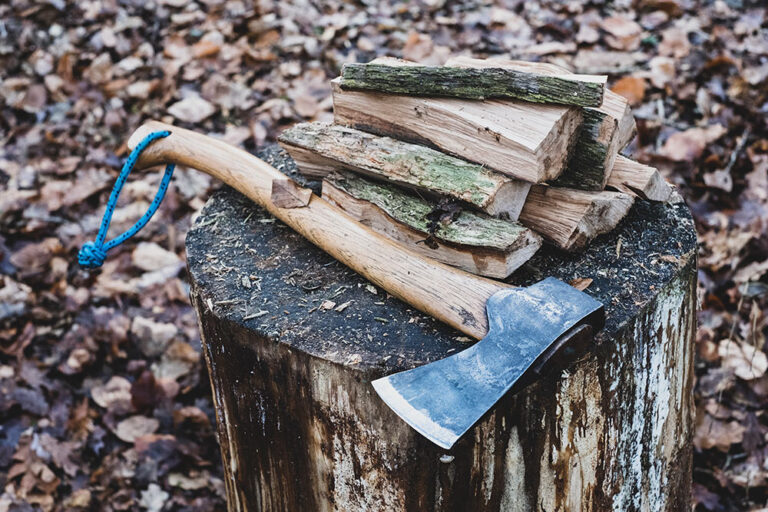
For households preparing for winter disruption, keeping a modest supply of appropriately stored, dry logs may be more useful than buying large quantities at short notice.
Store firewood somewhere dry and ventilated, away from direct contact with the stove and other ignition sources.
Always follow your appliance manufacturer’s instructions about permitted fuels.
Don’t try to make logs last all night
It can be tempting to restrict the air supply to make a small fire burn for longer, particularly when heating is unavailable elsewhere in the house.
However, HETAS warns against prolonged stove slumbering, where the appliance is operated with very little air.
This can increase carbon monoxide and particulate emissions and encourage deposits inside the flue.
Use the stove’s air controls according to the manufacturer’s instructions, and never leave its door open unless the appliance is specifically designed to operate that way.
Don’t overload the firebox or attempt to improvise changes to the stove to produce more heat.
Can you cook on a log burner during a power cut?
Some wood-burning stoves are designed to accommodate cooking, but others are intended solely for heating.
Do not assume that a kettle, saucepan or other cooking equipment can safely be placed on your stove.
Check the manufacturer’s instructions and use only suitable equipment where cooking is expressly permitted.
Never place a portable camping stove, barbecue or outdoor gas heater inside your home as an alternative. These appliances can create dangerous carbon monoxide and fire risks.
For other ways to manage an electricity outage, see our guide to staying warm, cooking food and boiling water without electricity.
Prepare the rest of your home for a power cut
Even if your log burner is suitable for use without electricity, it may only heat one part of your home effectively.
Plan how you would keep other household members comfortable, particularly children, older people and anyone with additional health needs.
Warm clothing, blankets, draught reduction and rechargeable lighting can all help.
Keep a torch accessible so that you can operate the stove safely if the lights go out.
A battery-powered or wind-up radio can also help you receive updates when internet or mobile services are disrupted.
Our UK household emergency kit checklist covers useful equipment to keep at home.
A useful backup, provided it’s safe
For households with a suitable, properly maintained stove, a log burner can provide reassurance during an unexpected loss of heating.
But preparedness should never mean compromising safety.
Confirm whether your installation can operate without electricity, maintain the chimney and appliance, use suitable fuel and keep a working carbon monoxide alarm.
The best time to make these checks is before the next power cut, not during it.
Further information
- HETAS: Carbon monoxide safety
- HETAS: Responsible wood-burning practices
- HETAS: Stove maintenance
- Health and Safety Executive: Solid-fuel back-boiler risks
Recommended products

Fireproof Document Bag
Keep passports, insurance papers, cash and USB backups together and protected from fire and water – grab it and go.
View on Amazon
British Standard First Aid Kit
A well-stocked, BS-compliant kit for home, car or workplace. Everything you need to deal with cuts, burns and sprains.
View on Amazon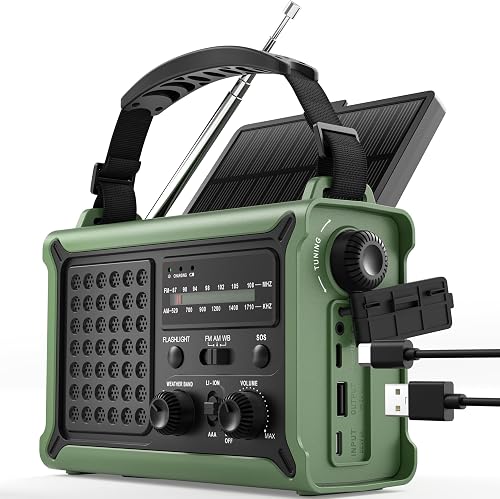
ROCAM Wind-Up Solar Emergency Radio
Hand-crank and solar powered radio with torch and phone charging, so you can hear official updates when the power and internet are down.
View on AmazonWe may earn a small commission if you buy through these links, at no extra cost to you. Learn more